Parking garages are a routine part of visiting shopping centers, office buildings, hospitals, hotels, entertainment venues, and apartment complexes throughout Florida. Most people enter these structures without thinking about whether the property itself could pose a danger. Unfortunately, poorly maintained walking surfaces, inadequate lighting, broken stairs, vehicle traffic, and other hazards can cause serious accidents. When someone is injured, determining who is responsible may be more complicated than simply identifying the owner of the garage. Depending on the circumstances, a property owner, management company, business, maintenance contractor, or another party may bear responsibility. At Payas, Payas, & Payas, we help people injured because of unsafe property conditions understand their legal options. Knowing how parking garage injury liability works can be an important first step toward determining whether negligence contributed to your accident.
Why Parking Garage Accidents Happen
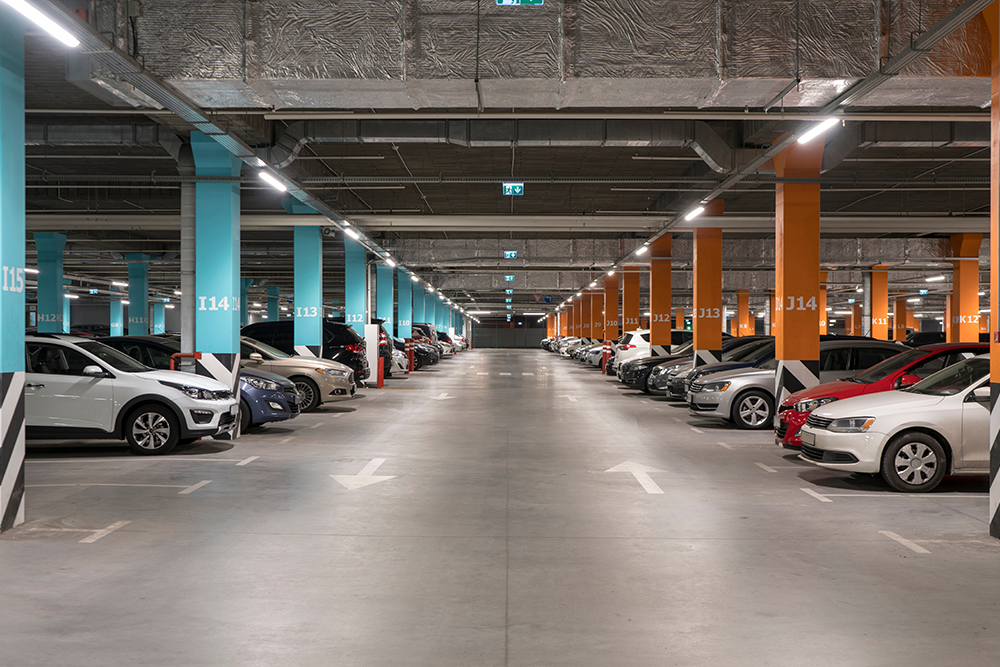
Parking garages combine pedestrians, vehicles, ramps, staircases, elevators, and frequently changing traffic patterns within a relatively confined space. Those conditions make proper maintenance and safety precautions especially important. Even a seemingly small defect can become dangerous when visibility is limited or pedestrians are navigating around moving vehicles.
Common parking garage hazards include:
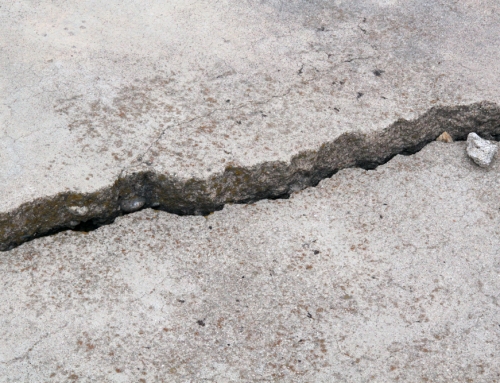
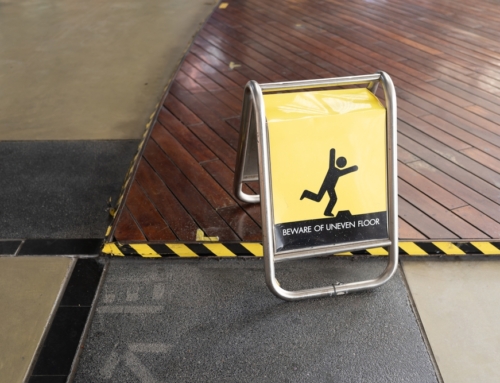
- Cracked or uneven pavement
- Potholes and damaged walking surfaces
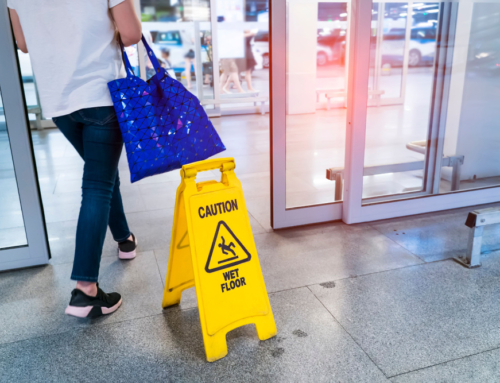
- Water, oil, or other slippery substances
- Broken stairs or handrails
- Poorly maintained elevators
- Inadequate lighting
- Missing or unclear directional signs
- Construction debris
- Damaged wheel stops
- Exposed wiring or other equipment
- Dangerous vehicle and pedestrian traffic patterns
A parking garage accident does not automatically mean that someone was negligent. However, when a dangerous condition was known, should reasonably have been discovered, or resulted from inadequate maintenance, the person or company responsible for the property may face questions about whether reasonable steps were taken to protect visitors.
Is the Property Owner Responsible?
The property owner is often one of the first parties investigated after a parking garage injury. Under premises liability principles, those who own or control property can have duties to maintain reasonably safe conditions for people lawfully on the premises. Payas, Payas, & Payas’s premises liability practice includes representation involving injuries at businesses, public places, and private properties.
Consider a garage where a section of concrete has deteriorated and created a significant tripping hazard. If the condition existed for an extended period, was reported previously, or should have been discovered through reasonable inspections, evidence concerning the owner’s knowledge and response may become important.
Florida law specifically addresses slips and falls involving transitory foreign substances in business establishments. In those cases, an injured person must establish that the business had actual or constructive knowledge of the dangerous condition and should have taken action to remedy it. Constructive knowledge can potentially be established by evidence that a condition existed long enough that it should have been discovered or occurred regularly enough to be foreseeable.
The exact legal analysis depends on the type of parking garage, the hazard involved, and who possessed or controlled the area where the accident occurred.
Could a Management or Maintenance Company Be Liable?
Property ownership and day-to-day control are not always held by the same party. A commercial property owner may hire another company to operate its parking garage, while separate contractors may handle cleaning, lighting, elevators, security, or structural maintenance.
This can result in several parties being investigated after an accident. For example, imagine that a maintenance company is contractually responsible for inspecting a garage staircase. If a broken step remains unrepaired despite previous reports and eventually causes someone to fall, investigators may need to examine both the maintenance company’s responsibilities and the property owner’s actions.
Potentially responsible parties can include:
- Property owners
- Property management companies
- Parking garage operators
- Maintenance contractors
- Cleaning companies
- Construction contractors
- Elevator maintenance companies
- Businesses controlling portions of the premises
Determining parking garage injury liability often requires reviewing contracts, maintenance records, inspection reports, incident reports, and other evidence showing who was responsible for the hazardous area.
What If You Slip on Water or Oil in the Garage?
Slippery substances are particularly common in parking facilities. Rainwater can enter open structures, vehicles may leak fluids, and cleaning activities can temporarily create slick surfaces. However, the presence of water or oil alone does not automatically establish liability.
For a slip involving a transitory foreign substance at a Florida business establishment, the question of notice is particularly important. Florida Statute § 768.0755 requires proof that the business had actual or constructive knowledge of the dangerous condition and should have taken action to correct it.
Evidence may therefore focus on questions such as:
- How long had the substance been present?
- Had employees previously seen or reported it?
- Were there footprints, tire tracks, or other indications that it had been there for some time?
- Did leaks or water accumulation regularly occur in the same location?
- Were inspections being performed?
- Were warning cones or signs provided?
These details can make a substantial difference when determining whether a property owner or operator had a reasonable opportunity to discover and address the danger.
What About Accidents Caused by Poor Lighting or Unsafe Design?
Not every parking garage injury involves a slip or fall. Poor visibility can make it difficult for pedestrians to see stairs, curbs, changes in elevation, approaching vehicles, or other hazards. Damaged lights that remain unrepaired may therefore become an important part of an injury investigation.
Garage design and traffic control can also contribute to accidents. Blind corners, poorly positioned signs, confusing pedestrian routes, or inadequate separation between vehicles and walking areas may increase the likelihood of collisions.
When these conditions contribute to an injury, attorneys may investigate who designed, maintained, or controlled the relevant portion of the property. Depending on the facts, engineers or other experts may also be needed to evaluate whether a physical condition contributed to the accident.
The central question remains whether negligence by a responsible party caused or contributed to the person’s injuries. Simply experiencing an accident on someone else’s property is not enough by itself to establish a successful premises liability claim.
What Evidence Can Help After a Parking Garage Accident?
Parking garage conditions can change quickly. A puddle may be cleaned, a broken light may be replaced, or damaged pavement may be repaired shortly after an accident. Preserving evidence as early as possible can therefore be extremely important.
If you are able to do so safely after an accident:
- Photograph the hazard. Take pictures from multiple angles and include the surrounding area for context.
- Report the accident. Notify garage management, security personnel, or the business responsible for the property.
- Ask for an incident report. If a report is prepared, obtain information about how to request a copy.
- Identify witnesses. Collect names and contact information from anyone who saw the accident or hazardous condition.
- Look for cameras. Note nearby surveillance cameras that may have recorded the accident or the condition before it occurred.
- Seek appropriate medical care. Medical documentation can connect your injuries and treatment to the accident.
- Preserve your belongings. Shoes, damaged clothing, photographs, medical records, and other evidence may later become relevant.
Surveillance footage can be particularly valuable, but businesses may not retain recordings indefinitely. Prompt action can help an attorney request that important evidence be preserved before it is routinely overwritten.
What Compensation May Be Available?
A parking garage accident can result in much more than a temporary inconvenience. Falls on concrete can cause fractures, head injuries, spinal injuries, torn ligaments, and other conditions requiring significant treatment. Pedestrian accidents involving vehicles can produce even more severe injuries.
Depending on the circumstances, compensation in a premises liability case may address:
- Medical expenses
- Future medical care
- Lost wages
- Reduced earning capacity
- Rehabilitation expenses
- Pain and suffering
- Permanent disability or impairment
The value of a claim depends on the severity of the injuries, the available evidence, the responsibility of the parties involved, and the effect the accident has on the injured person’s life.
Why Determining Responsibility Can Be Complicated
One of the biggest challenges in parking garage cases is determining exactly who controlled the area where the accident happened. A garage may be owned by one company, operated by another, maintained by several contractors, and connected to businesses with their own responsibilities.
Insurance companies may also argue that the hazard was obvious, that the property owner did not know it existed, or that the injured person failed to exercise reasonable care. These disputes make evidence concerning the condition of the garage and its maintenance history particularly important.
Florida premises liability law is highly dependent on the facts of each accident. Working with an attorney can help identify the appropriate defendants, preserve evidence, and evaluate whether the responsible parties failed to take reasonable precautions.
Conclusion
Parking garages should provide reasonably safe environments for drivers and pedestrians, but neglected hazards can cause devastating injuries. A property owner may be responsible in some cases, while a management company, maintenance contractor, garage operator, or another business may be responsible in others. Sometimes an investigation reveals that several parties contributed to the dangerous condition.
Understanding parking garage injury liability requires examining who controlled the property, what caused the accident, how long the hazard existed, what the responsible parties knew, and whether reasonable steps were taken to address it.
If you or a loved one has been injured in a Florida parking garage because of a potentially dangerous property condition, contact Payas, Payas, & Payas to discuss your legal options. Their personal injury attorneys can investigate the circumstances, identify potentially responsible parties, and help you determine the appropriate next steps.
Frequently Asked Questions (FAQ)
1. Can I sue if I trip over broken pavement in a parking garage? Potentially. If a property owner or another responsible party knew or reasonably should have known about a dangerous condition and failed to address it, you may have grounds for a premises liability claim. The circumstances and available evidence will determine whether negligence can be established.
2. Who is responsible if I slip on oil in a parking garage? Responsibility depends on factors including who controlled the property and whether the business had actual or constructive knowledge of the hazardous condition. Florida law has specific requirements for slip-and-fall claims involving transitory foreign substances in business establishments.
3. What if a parking garage is owned by one company but operated by another? Both parties’ responsibilities may need to be investigated. Contracts, maintenance obligations, and evidence showing who controlled the area can help determine which company or companies may be legally responsible.