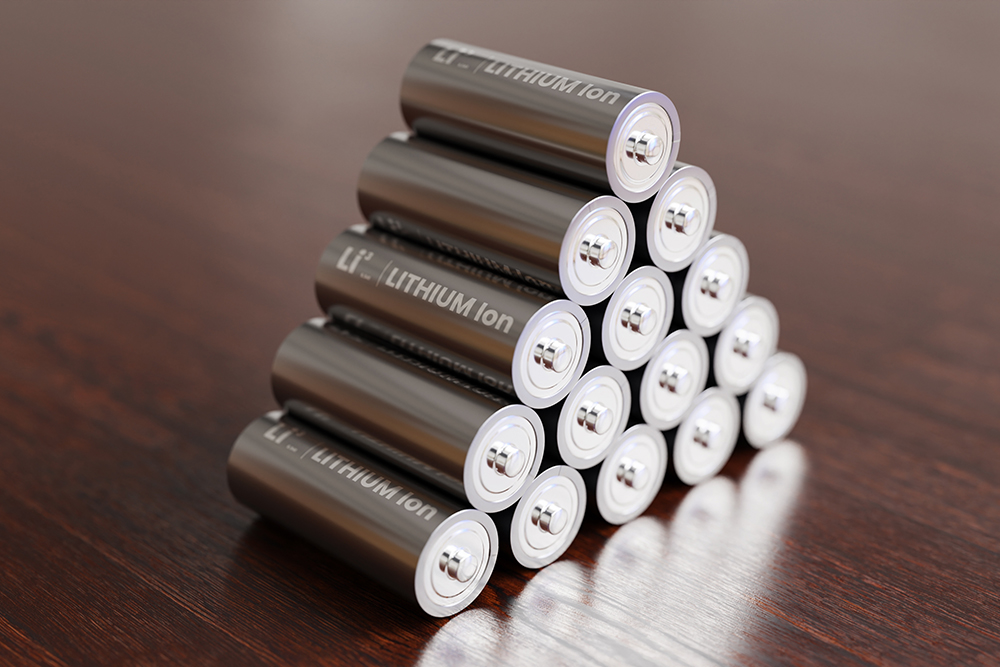
Lithium-ion batteries power many everyday products, including smartphones, laptops, power tools, e-bikes, portable chargers, and other rechargeable devices. Although these batteries are generally safe when properly designed, manufactured, and used, a defective battery can overheat, ignite, or explode with little warning. The resulting fires can cause severe burns, permanent scarring, property damage, and other life-changing injuries. For someone injured by a battery fire or explosion, determining why the failure occurred is key to understanding whether a manufacturer or another company may be legally responsible. Florida consumers who suffer lithium-ion battery burn injuries may have legal options under the state’s product liability laws. At Payas, Payas, & Payas, we help injured consumers investigate dangerous products and pursue compensation when a preventable defect causes serious harm.
Why Can Lithium-Ion Batteries Catch Fire or Explode?
Lithium-ion batteries store a substantial amount of energy in a relatively small package. This makes them useful for portable electronics and rechargeable equipment, but it also means that a serious internal failure can release energy very quickly. One potential problem is thermal runaway, a process in which rising temperatures inside a battery trigger reactions that produce even more heat. Once this process begins, the battery can potentially ignite, release hot gases, or cause surrounding battery cells to fail as well.
A battery failure does not necessarily mean that the consumer did something wrong. Problems can originate with the battery’s design, materials, manufacturing process, charging system, or other components. In other situations, physical damage or exposure to inappropriate charging conditions can contribute to a failure. Determining the precise cause generally requires examining the battery, the device in which it was installed, and the circumstances immediately preceding the incident.
Potential causes of dangerous battery failures can include:
- Internal manufacturing defects
- Faulty battery management systems
- Inadequate protection against overheating
- Defective chargers or charging components
- Contamination during manufacturing
- Internal short circuits
- Poorly designed battery packs
- Inadequate safety warnings or instructions
Because a badly damaged battery may provide important evidence about how the accident occurred, injured consumers should avoid disposing of the product if it can be safely preserved.
What Types of Injuries Can Battery Fires Cause?
Lithium-ion battery fires can be particularly dangerous because they may develop suddenly and generate intense heat. A person holding or carrying a battery-powered device may have very little time to react before coming into direct contact with flames, heated components, or burning materials. If a device is charging near furniture, bedding, or other combustible materials, a battery failure can also contribute to a larger fire.
Lithium-ion battery burn injuries can include first-, second-, and third-degree burns depending on the duration and intensity of the exposure. Serious burns may damage multiple layers of skin and underlying tissue, potentially requiring surgery, skin grafts, hospitalization, and extensive rehabilitation. Some victims may experience permanent scarring, disfigurement, nerve damage, or limitations in movement after healing.
The psychological consequences can also be substantial. Severe burn injuries may affect a person’s confidence, ability to work, sleep, and participation in everyday activities. When determining damages associated with a defective battery, consider these long-term consequences along with immediate medical expenses.
When Can a Manufacturer Be Held Responsible?
A manufacturer may potentially be held liable when a defective product causes an injury. Product liability cases involving lithium-ion batteries can focus on several different types of defects, and identifying the nature of the failure is an important part of establishing responsibility.
A design defect may exist when a battery or battery-powered product is unreasonably dangerous because of the way it was designed. This could involve inadequate safeguards against overheating or another fundamental problem affecting the product’s safety. A manufacturing defect, by comparison, occurs when something goes wrong during production and causes a particular battery or group of batteries to depart from the intended design.
Another possibility involves inadequate warnings or instructions. Manufacturers may have a responsibility to warn consumers about significant, non-obvious risks associated with reasonably foreseeable uses of their products. If consumers are not given appropriate charging instructions, storage precautions, or warnings about known hazards, failure-to-warn issues may become relevant to a product liability investigation.
Could Companies Other Than the Manufacturer Be Liable?
The company whose name appears on the product is not necessarily the only party to investigate after a battery explosion. Modern consumer products frequently involve complicated supply chains. One company may manufacture the battery cells, another may assemble the battery pack, and another may design and sell the finished device.
Depending on the circumstances, potentially responsible parties can include:
- Battery manufacturers
- Device manufacturers
- Component suppliers
- Importers
- Distributors
- Retailers
- Companies responsible for defective charging equipment
Determining where the defect originated can require technical investigation. For example, the individual battery cells may have functioned correctly while a defective charging system allowed them to overheat. Alternatively, the device itself may have lacked adequate protection against a foreseeable battery failure. An experienced product liability attorney can investigate the entire chain rather than assuming one company is solely responsible.
What Should You Do After a Lithium-Ion Battery Injury?
The first priority after a battery fire or explosion should always be obtaining appropriate medical attention and ensuring the immediate danger has been addressed. Burns can be more serious than they initially appear, and prompt medical evaluation can be important for both treatment and documentation.
After addressing immediate health and safety concerns, several steps may help preserve a potential claim:
- Keep the product when it is safe to do so. Do not throw away the battery, device, charger, or related components simply because they are damaged.
- Photograph the damage. Document the device, battery, surrounding property damage, and visible injuries.
- Preserve packaging and receipts. Product packaging, model information, serial numbers, receipts, and online purchase records may help identify the product.
- Keep medical documentation. Maintain records of emergency treatment, follow-up appointments, prescriptions, rehabilitation, and other care.
- Avoid altering the evidence. Do not attempt to repair, dismantle, or test the damaged device yourself.
- Consider speaking with an attorney promptly. An attorney can take steps to preserve evidence and investigate whether other incidents involving the same product have been reported.
It may also be important to preserve the charger and accessories used with the device. Discarding potentially important evidence may make it impossible to determine whether the battery itself, charging equipment, or another component caused the failure.
How Do Attorneys Prove a Battery Was Defective?
A product liability claim cannot generally be established merely by showing that a battery caught fire. The investigation must examine why the failure occurred and whether a legally actionable defect contributed to the injury. This can make lithium-ion battery cases technically complicated.
Attorneys may work with engineers, fire investigators, battery specialists, and other qualified experts to examine the damaged product. Experts can evaluate the battery’s construction, charging system, electronic controls, and physical evidence left after the incident. They may also review applicable industry standards, product specifications, testing information, recall history, and reports of similar failures.
Evidence concerning previous incidents can be particularly important. If a manufacturer received reports of overheating or fires involving the same product but failed to address the problem adequately, that information could become relevant to the case. Attorneys may also investigate whether the manufacturer performed appropriate safety testing before the product entered the marketplace.
What Compensation May Be Available for Lithium-Ion Battery Burn Injuries?
Severe burns can create significant financial losses that continue long after the initial hospitalization. Treatment may involve surgery, wound care, physical therapy, medication, and follow-up procedures. A person with permanent injuries may also experience changes in employment or require future medical treatment.
Depending on the facts of the case, compensation may potentially address:
- Emergency medical treatment and hospitalization
- Surgeries and skin grafts
- Future medical expenses
- Rehabilitation and physical therapy
- Lost wages
- Reduced earning capacity
- Pain and suffering
- Scarring and disfigurement
- Property damage
The appropriate value of a claim depends on the severity and permanence of the injuries, the circumstances of the product failure, and other case-specific factors. Serious burn cases may require medical and economic experts to evaluate future needs rather than focusing only on expenses that have already occurred.
Why Legal Representation Matters in Defective Battery Cases
Lithium-ion battery cases often combine complex product liability law with highly technical scientific evidence. Manufacturers and their insurers may argue that the battery was damaged, improperly charged, modified, exposed to excessive heat, or used with incompatible accessories. These defenses can make it difficult for an injured consumer to determine what actually happened without professional assistance.
At Payas, Payas, & Payas, we can investigate the circumstances surrounding a battery-related injury, preserve important evidence, identify potentially responsible companies, and consult qualified experts when necessary. An investigation can also determine whether similar incidents, safety notices, or recalls involving the product may support the claim.
Consumers should not assume that an exploding battery was simply an unavoidable accident. When a dangerous defect causes serious injuries, Florida product liability law may provide a path toward accountability and compensation.
Conclusion: Protecting Your Rights After a Battery Injury
Lithium-ion batteries have become an essential part of modern life, but consumers should be able to expect that the products they purchase have been reasonably designed, manufactured, and labeled for safe use. When a defective battery overheats, catches fire, or explodes, the resulting injuries can permanently affect a victim’s health, finances, and quality of life.
Determining responsibility requires more than identifying the product that caught fire. Investigators may need to examine the battery, charger, device design, manufacturing process, warnings, and supply chain to uncover the actual cause. Preserving evidence and seeking legal guidance promptly can therefore be particularly important after serious lithium-ion battery burn injuries.
If you or a loved one has suffered serious burns or other injuries because of an exploding or defective battery in Florida, contact Payas, Payas, & Payas to discuss your legal options. Our experienced personal injury attorneys can investigate the product failure, identify potentially responsible parties, and pursue the compensation available under Florida law.
Frequently Asked Questions (FAQ)
1. Can I file a claim if a rechargeable battery exploded while I was using the product? Potentially. If a defect in the battery, device, charger, or warnings contributed to the explosion and resulting injuries, you may have grounds for a product liability claim. Investigators must examine the specific circumstances to determine responsibility.
2. Should I throw away a burned or exploded battery? If it can be safely preserved, do not discard the battery or associated device before speaking with an attorney. The damaged product may contain crucial evidence that experts can use to determine why the failure occurred.
3. What if the manufacturer says I used the wrong charger? The manufacturer may argue that improper charging caused the incident, but that does not necessarily resolve the question of liability. Investigators may need to determine what charger was used, whether the manufacturer’s warnings were adequate, and whether a defect also contributed to the failure.