
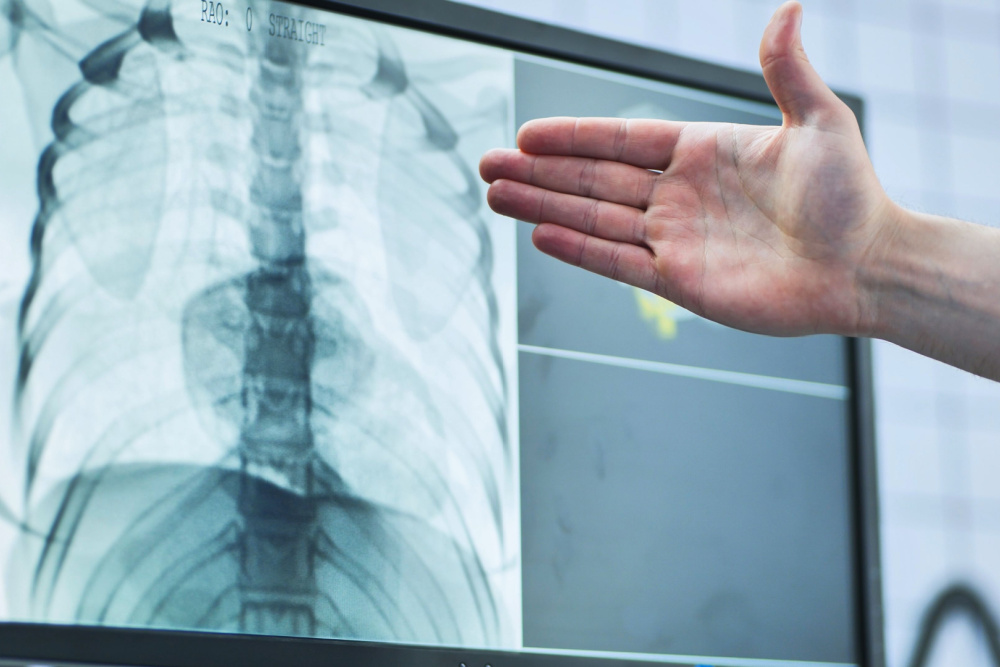
Medical tests play a critical role in diagnosing illnesses, identifying injuries, and guiding treatment decisions. Physicians rely on X-rays, MRIs, CT scans, blood tests, biopsies, and other laboratory results to make informed medical judgments. When these tests are interpreted correctly, they can lead to timely treatment and improved patient outcomes. However, when a healthcare provider misreads an X-ray or misinterprets laboratory results, the consequences can be devastating. Diagnostic errors can result in delayed diagnoses, incorrect treatments, unnecessary procedures, and worsening medical conditions. If you have been harmed because of a diagnostic mistake, you may be wondering whether you have grounds for a medical malpractice claim. At Payas, Payas, & Payas, we help Florida patients understand their legal rights when preventable medical errors cause serious harm. This article explains when misread X-rays or lab results may qualify as medical malpractice and what is required to pursue a claim.
When Does a Diagnostic Error Become Medical Malpractice?
Not every incorrect diagnosis or missed finding automatically qualifies as medical malpractice. Medicine is a complex field, and healthcare providers are not expected to be perfect. However, they are expected to provide care that meets the accepted standard within the medical community. A diagnostic error may become malpractice when a reasonably competent healthcare provider, under similar circumstances, would have correctly interpreted the test or taken additional steps to investigate abnormal findings.
To establish medical malpractice in Florida, a patient generally must prove:
- A healthcare provider owed a duty of care.
- The provider failed to meet the accepted standard of care.
- That failure directly caused injury or worsened the patient’s condition.
- The patient suffered measurable damages as a result.
The key issue is not simply that a mistake occurred, but whether that mistake resulted from negligent medical care.
Common Types of Misread X-Rays and Imaging Errors
Medical imaging is used to diagnose everything from broken bones to cancer. Unfortunately, even a small oversight when reviewing an image can have life-changing consequences. Radiologists and other physicians who interpret diagnostic imaging have a responsibility to identify significant abnormalities and communicate important findings promptly.
Examples of imaging errors include:
- Missing fractures or dislocations on X-rays
- Failing to identify tumors or suspicious masses
- Overlooking signs of internal bleeding
- Misinterpreting spinal injuries
- Missing strokes or brain injuries on CT scans
- Failing to recognize pneumonia or other lung conditions
- Incorrectly diagnosing normal findings as abnormal
These errors may delay treatment, allow diseases to progress, or expose patients to unnecessary procedures that carry their own risks.
How Laboratory Errors Can Lead to Serious Harm
Laboratory testing is another essential component of modern healthcare. Blood work, biopsies, cultures, and other diagnostic tests often provide the information physicians need to make accurate diagnoses. When lab results are misread, improperly reported, or never communicated, patients may lose valuable time receiving appropriate treatment.
Common laboratory-related errors include:
- Misinterpreting blood test results
- Failing to identify abnormal biopsy findings
- Incorrectly reporting laboratory values
- Delayed reporting of critical test results
- Mixing up patient samples
- Failure to notify physicians of life-threatening abnormalities
Some laboratory errors involve the testing process itself, while others occur during interpretation or communication. Regardless of where the breakdown occurs, patients may suffer serious consequences if appropriate action is delayed.
Medical Conditions Commonly Associated With Diagnostic Errors
Certain medical conditions depend heavily on accurate imaging and laboratory interpretation. Missing these diagnoses can significantly reduce treatment options and worsen long-term outcomes.
Conditions frequently involved in diagnostic malpractice claims include:
- Cancer
- Stroke
- Heart attack
- Internal bleeding
- Infections and sepsis
- Bone fractures
- Blood clots
- Kidney disease
For many of these conditions, early diagnosis dramatically improves the likelihood of successful treatment. Even relatively short delays can increase complications or reduce the chances of recovery.
Who May Be Responsible for a Diagnostic Error?
Medical malpractice cases involving misread X-rays or laboratory results often involve more than one healthcare provider. Responsibility depends on where the breakdown occurred and who failed to meet the accepted standard of care.
Potentially liable parties include:
- Radiologists
- Pathologists
- Emergency room physicians
- Primary care physicians
- Specialists
- Hospitals
- Diagnostic imaging centers
- Independent laboratories
For example, a radiologist may correctly identify an abnormality, but if the treating physician fails to review or act on the report, both providers may become part of the investigation. Likewise, if a laboratory incorrectly processes a sample, the laboratory itself may bear responsibility.
How Delayed Diagnosis Can Affect Your Health
A delayed diagnosis can sometimes be just as harmful as an incorrect diagnosis. When treatment is postponed because of a diagnostic error, medical conditions often become more severe and difficult to manage.
Possible consequences include:
- Disease progression
- More invasive treatment requirements
- Permanent disability
- Additional surgeries
- Reduced treatment success
- Increased medical expenses
- Loss of life expectancy
In some situations, a delayed diagnosis may even result in wrongful death if the patient does not receive lifesaving treatment in time.
Evidence Needed to Prove Medical Malpractice
Medical malpractice claims involving diagnostic errors require detailed evidence and expert analysis. Florida law generally requires a qualified medical expert to review the case before a lawsuit can proceed.
Evidence commonly used includes:
- Medical records
- Imaging studies and original X-rays
- Laboratory reports
- Physician notes
- Expert medical opinions
- Treatment timelines
- Hospital policies and procedures
Medical experts compare the care provided against accepted professional standards to determine whether negligence occurred and whether that negligence caused the patient’s injuries.
Compensation Available in Diagnostic Error Cases
When a misread X-ray or laboratory result causes injury, patients may be entitled to compensation for the financial and personal losses they have suffered. Every case is unique, but compensation may include both current and future damages.
Potential compensation includes:
- Medical expenses
- Future medical treatment costs
- Lost wages
- Reduced earning capacity
- Pain and suffering
- Emotional distress
- Rehabilitation expenses
- Long-term disability costs
The amount of compensation depends on the severity of the injury, the extent of the negligence, and the lasting impact on the patient’s life.
Challenges in Medical Malpractice Claims
Medical malpractice cases are among the most complex personal injury claims. Hospitals and healthcare providers often have experienced legal teams that vigorously defend against allegations of negligence. They may argue that the patient’s condition was unavoidable, that the diagnosis was reasonable based on the available information, or that the outcome would have been the same regardless of any error.
Additional challenges include:
- Complex medical terminology
- Extensive expert witness requirements
- Florida’s pre-suit investigation process
- Large volumes of medical records
- Causation disputes
Successfully navigating these issues requires thorough preparation and experienced legal representation.
Why Legal Representation Is Essential
Medical malpractice claims involving diagnostic errors require a careful review of both the medical evidence and Florida law. Experienced attorneys understand how to investigate these cases, work with qualified experts, and build compelling claims against healthcare providers and their insurers.
At Payas, Payas, & Payas, we help clients by:
- Reviewing medical records in detail
- Consulting with respected medical experts
- Identifying all responsible healthcare providers
- Managing Florida’s medical malpractice procedures
- Negotiating with insurance companies
- Pursuing litigation when necessary
Our goal is to help injured patients obtain the compensation they deserve while holding negligent healthcare providers accountable.
Conclusion
Misread X-rays and laboratory results can have life-altering consequences when they delay diagnosis or lead to improper treatment. Although not every diagnostic mistake qualifies as medical malpractice, healthcare providers who fail to meet accepted standards of care may be held legally responsible when their errors cause preventable harm. Understanding your rights, preserving medical records, and seeking experienced legal guidance are important first steps toward protecting your future. If you believe a diagnostic error contributed to your injuries, it is important to have your case evaluated as soon as possible.
If you or a loved one suffered harm because of a misread X-ray, incorrect lab result, or delayed diagnosis in Florida, contact Payas, Payas, & Payas today for a free consultation. Our experienced medical malpractice attorneys will carefully review your case, explain your legal options, and fight for the compensation you deserve. Let us help you pursue accountability and move forward with confidence.
Frequently Asked Questions (FAQ)
1. Does every misread X-ray qualify as medical malpractice? No. A diagnostic mistake generally becomes medical malpractice only if the healthcare provider failed to meet the accepted standard of care and the error caused harm.
2. Can I file a claim if my diagnosis was delayed but eventually corrected? Possibly. If the delay caused your condition to worsen or required more extensive treatment, you may have grounds for a medical malpractice claim.
3. Do I need a medical expert to pursue a malpractice case in Florida? Yes. Florida law generally requires qualified medical expert review before a medical malpractice lawsuit can proceed.