
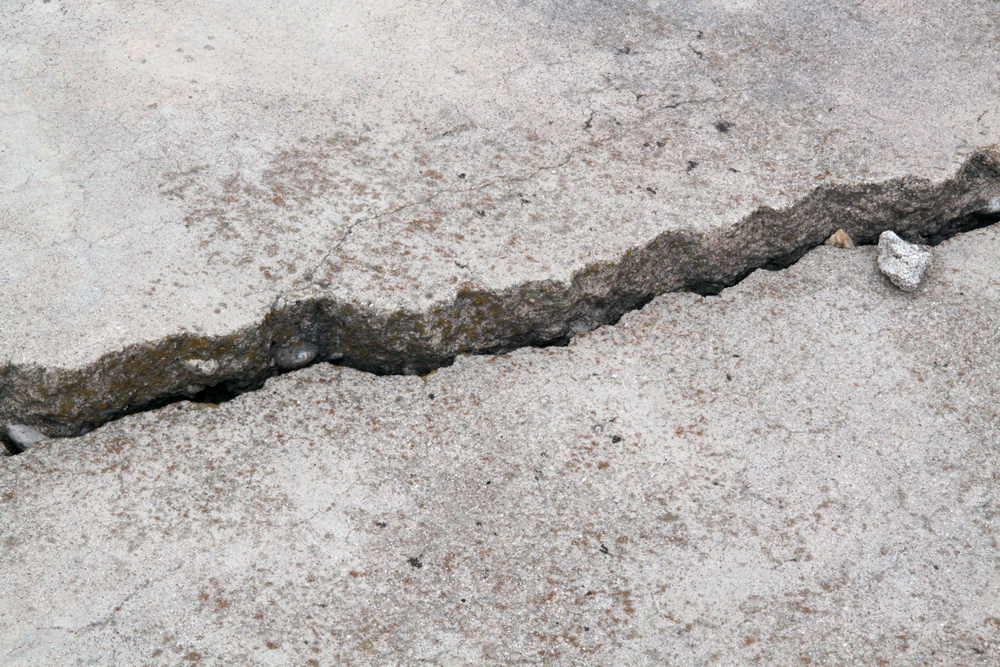
Walking through a city should not put you at risk of serious injury. Whether you are heading to work, visiting a local business, or simply enjoying a stroll, you have the right to expect that sidewalks and public walkways are reasonably safe. Unfortunately, cracked pavement, uneven surfaces, missing utility covers, poor lighting, loose bricks, and other hazardous conditions cause countless injuries each year throughout Florida. When these accidents occur, many people wonder who is legally responsible for maintaining these public areas and whether they have the right to seek compensation. The answer depends on several factors, including who owned or controlled the property and whether negligence played a role. At Payas, Payas, & Payas, we help injured Floridians understand their legal rights and pursue compensation after preventable accidents. This article explains who may be responsible for injuries on city sidewalks or public walkways, how liability is determined, and what you should do if you are injured.
Why Sidewalk and Public Walkway Accidents Happen
Sidewalks and walkways are subject to constant use and are exposed to weather, tree roots, construction activity, and normal wear over time. Without regular inspections and maintenance, these public spaces can quickly become dangerous for pedestrians.
Common hazards include:
- Cracked or uneven concrete
- Raised sidewalks caused by tree roots
- Large potholes or broken pavement
- Loose or missing bricks and pavers
- Poor lighting that hides hazards
- Standing water or slippery surfaces
- Construction debris or improperly marked work zones
- Missing manhole covers or damaged utility access points
While some hazards develop gradually, others arise suddenly due to construction projects, severe weather, or utility work. Regardless of how the danger developed, property owners and government entities often have legal responsibilities to address known hazards within a reasonable period of time.
Who Is Responsible for Maintaining City Sidewalks?
Determining responsibility is one of the most important aspects of any sidewalk injury claim. Although many people assume the city is always responsible, liability is not always that straightforward. Depending on the location and circumstances, several different parties may have maintenance obligations.
Potentially responsible parties include:
- City or municipal governments
- County governments
- State agencies
- Adjacent property owners
- Commercial property owners
- Contractors performing sidewalk construction or repairs
- Utility companies working beneath or around sidewalks
Each situation requires careful investigation to determine who had the legal duty to maintain the area where the accident occurred.
When a Government Entity May Be Liable
Many public sidewalks are owned and maintained by local governments. Cities and counties generally have a duty to keep public walkways in reasonably safe condition for pedestrians. However, government liability differs from claims against private businesses because special legal rules apply.
A government entity may be liable if it:
- Knew about a dangerous condition and failed to repair it
- Should reasonably have discovered the hazard through inspections
- Created the dangerous condition through negligent maintenance or construction
- Failed to provide adequate warnings while repairs were pending
Claims involving government agencies often have strict notice requirements and shorter deadlines than ordinary personal injury cases. Acting quickly is extremely important to preserve your legal rights.
When Property Owners May Be Responsible
In some Florida communities, adjacent property owners are responsible for maintaining sidewalks bordering their property. This responsibility may arise through local ordinances, homeowner association rules, or specific maintenance agreements.
Property owners may be liable if they:
- Allow landscaping to create dangerous walking conditions
- Fail to repair sidewalks they are legally responsible for maintaining
- Create hazards during construction or remodeling projects
- Permit water, debris, or other dangerous conditions to accumulate
Commercial property owners, in particular, often have a duty to ensure that areas leading to their businesses are reasonably safe for customers and pedestrians.
Construction Zones and Temporary Hazards
Construction projects frequently create hazards on sidewalks and public walkways. Contractors are generally required to maintain safe pedestrian access or provide appropriate warnings when sidewalks become unsafe.
Construction-related hazards may include:
- Uneven temporary walkways
- Missing barricades or warning signs
- Construction debris left on sidewalks
- Poorly secured equipment
- Open trenches or excavations
- Improperly covered utility work
When contractors fail to follow proper safety procedures, they may be held responsible for injuries resulting from their negligence.
How Premises Liability Applies to Sidewalk Injuries
Many sidewalk injury cases are based on premises liability law. Under Florida law, property owners and others responsible for maintaining premises generally owe lawful visitors a duty to keep walkways reasonably safe or provide adequate warning of known dangers.
To establish a successful premises liability claim, an injured person typically must prove:
- The responsible party owed a duty of care
- A dangerous condition existed
- The responsible party knew or should have known about the hazard
- The hazard was not repaired or properly addressed
- The dangerous condition directly caused the injury
The central issue is often whether the responsible party had sufficient notice of the dangerous condition before the accident occurred.
Evidence That Can Strengthen Your Claim
Building a successful sidewalk injury claim depends heavily on preserving evidence before conditions change. Hazardous conditions are often repaired shortly after an accident, making early documentation essential.
Helpful evidence includes:
- Photographs of the sidewalk or walkway immediately after the accident
- Videos showing the surrounding area
- Witness statements and contact information
- Medical records documenting injuries
- Accident reports, if available
- Maintenance records or prior complaints about the hazard
- Surveillance footage from nearby businesses or residences
The more evidence available, the stronger your ability to prove negligence and establish liability.
What Compensation May Be Available?
If you were injured due to a dangerous sidewalk or public walkway, you may be entitled to compensation for both financial and personal losses resulting from the accident.
Potential compensation may include:
- Medical expenses
- Future medical treatment costs
- Lost wages
- Reduced earning capacity
- Pain and suffering
- Emotional distress
- Physical therapy and rehabilitation expenses
The amount of compensation depends on the severity of the injuries, the extent of negligence, and the long-term impact on your life.
Challenges in Claims Against Government Entities
When a government agency is responsible for maintaining the sidewalk, additional legal challenges often arise. Florida law includes specific procedures for filing claims against governmental entities, and failure to follow these procedures can jeopardize an otherwise valid claim.
Some challenges include:
- Strict notice requirements before filing suit
- Government immunity limitations in certain situations
- Shorter filing deadlines
- Detailed procedural requirements
Because of these complexities, consulting an experienced attorney early in the process is especially important when a government agency may be involved.
Why Legal Representation Makes a Difference
Determining who is responsible for injuries on city sidewalks or public walkways often requires extensive investigation. Multiple parties may deny responsibility, and insurance companies frequently argue that hazards were “open and obvious” or that the injured person was partially at fault.
At Payas, Payas, & Payas, we help clients by:
- Investigating accident scenes thoroughly
- Identifying all responsible parties
- Preserving critical evidence
- Reviewing maintenance records and inspection history
- Negotiating with insurance companies
- Pursuing litigation when necessary
Our team understands the complexities of premises liability claims and works tirelessly to help injured clients recover the compensation they deserve.
Conclusion
Sidewalks and public walkways should provide safe passage for everyone. When hazardous conditions are ignored, serious injuries can occur, leaving victims with unexpected medical expenses, lost income, and lasting pain. Determining responsibility depends on who owned, maintained, or controlled the area where the accident occurred. Whether the liable party is a city, county, private property owner, contractor, or another entity, Florida law provides legal options for victims injured by preventable hazards. Understanding your rights and acting quickly can make a significant difference in the outcome of your claim.
If you have been injured because of a dangerous city sidewalk or public walkway in Florida, contact Payas, Payas, & Payas today for a free consultation. Our experienced personal injury attorneys will investigate your case, determine who may be responsible, and fight for the compensation you deserve. Let us help you protect your rights and move forward with confidence.
Frequently Asked Questions (FAQ)
1. Can I sue the city if I trip on a broken sidewalk? Possibly. If the city was responsible for maintaining the sidewalk and failed to address a known hazard, you may have a valid claim. Claims against government entities follow special legal procedures.
2. What if the sidewalk is next to a private business? Depending on local laws and maintenance responsibilities, the property owner or business may share liability for dangerous conditions.
3. Should I report the sidewalk hazard after my accident? Yes. Reporting the hazard to the appropriate government agency or property owner helps document the dangerous condition and may prevent others from being injured.