Most people walking through a store, hotel, apartment complex, parking structure, or other property do not expect something to fall from above and cause an injury. Unfortunately, merchandise can tumble from shelves, ceiling materials can come loose, signs and fixtures can fall, and construction materials can strike people below. These accidents can cause serious head, neck, spinal, and other injuries, sometimes without giving the victim any opportunity to protect themselves. When this happens, an important question is whether the property owner could have prevented the accident. Under Florida premises liability law, a property owner or another party responsible for the premises may potentially be held liable when negligence contributes to an unsafe condition that causes an injury. At Payas, Payas, & Payas, we help injured Floridians determine who may be responsible after preventable accidents. Understanding falling object injury claims can help victims recognize when an unexpected accident may actually have resulted from negligence.
How Falling Object Accidents Happen
Falling object accidents can occur almost anywhere, but certain environments create greater risks because items are stored overhead or equipment and building components are positioned above areas used by visitors. Retail stores and warehouses, for example, may place merchandise on high shelving. Hotels, restaurants, and office buildings can have overhead signs, lighting fixtures, ceiling panels, or decorative elements. Construction and maintenance activities can introduce additional hazards.
Common causes of falling object injuries include:
- Improperly stacked merchandise
- Overloaded or damaged shelving
- Loose ceiling tiles
- Falling signs or displays
- Unsecured lighting fixtures
- Tools or construction materials dropped from above
- Building materials that have deteriorated
- Objects falling from balconies or elevated areas
- Poorly secured equipment
- Inadequate inspection and maintenance
The fact that an object fell does not automatically establish negligence. A successful claim generally requires evidence connecting the accident to the actions or failures of a responsible person or business. That makes determining how and why the object fell a critical part of the investigation.
When Can a Property Owner Be Held Responsible?
Property owners and businesses have legal responsibilities toward people who lawfully enter their premises. The precise duty depends on the circumstances, but businesses generally must take reasonable measures to maintain their property and address dangerous conditions that could foreseeably harm visitors.
A falling object injury claim may arise when an owner or operator knew about an unsafe condition but failed to correct it. Liability may also become an issue when the dangerous condition existed long enough that reasonable inspection and maintenance practices should have uncovered it.
For example, suppose employees repeatedly notice that merchandise on a high shelf is unstable but nothing is done to secure it. If the merchandise later falls and injures a customer, those previous observations could become important evidence. Likewise, if a damaged ceiling fixture remains unrepaired despite complaints or inspections identifying the problem, the property’s maintenance history may help establish negligence.
Important questions can include:
- Who controlled the area where the accident occurred?
- Who placed or installed the object?
- Was the object properly secured?
- Had anyone previously reported the danger?
- How long had the unsafe condition existed?
- Were reasonable inspections performed?
- Could the accident reasonably have been prevented?
Answering these questions helps determine whether the property owner exercised reasonable care or allowed a dangerous condition to remain.
Falling Merchandise in Retail Stores
Retail stores present a particularly recognizable falling-object risk. Large retailers, warehouse stores, home improvement stores, and supermarkets may store merchandise several feet above customers. Products that are heavy, awkwardly shaped, or improperly stacked can cause significant injuries if they fall.
Businesses should have reasonable procedures for stocking merchandise and maintaining shelving. Employees responsible for moving or stacking products should also take appropriate precautions to prevent merchandise from becoming unstable.
An accident might occur because merchandise was:
- Stacked too high
- Placed unevenly
- Stored on damaged shelving
- Improperly secured
- Knocked loose during restocking
- Positioned in a manner that made falling foreseeable
Evidence showing how employees stocked the shelves, when the area was last inspected, and whether similar incidents previously occurred can help determine whether the business acted negligently.
What If the Object Was Part of the Building?
Sometimes the falling object is not merchandise at all. Ceiling tiles, light fixtures, signs, pieces of concrete, decorative features, or other portions of a building can deteriorate or become detached. In these situations, maintenance and inspection records may become especially important.
Property owners and managers should take reasonable steps to identify dangerous structural or maintenance conditions. Water intrusion, corrosion, previous repairs, visible deterioration, and repeated complaints can provide warning that a component needs attention.
Consider a ceiling panel that falls in a hotel hallway after a persistent roof leak. If maintenance records show repeated reports of water damage in the same area, that information may help establish that the dangerous condition was known before someone was injured.
The property owner may not be the only party involved. A management company, maintenance contractor, installer, or construction company could potentially share responsibility depending on who created the hazard and who was responsible for inspecting or repairing it.
Construction and Maintenance Can Create Additional Liability
Construction sites and maintenance projects can create falling-object hazards for people who are not performing the work. Tools, equipment, building materials, and debris can fall from ladders, scaffolding, rooftops, or elevated work areas.
If work is being performed on property that remains open to customers, residents, or visitors, appropriate precautions may be necessary to keep people away from dangerous areas. Depending on the project, those precautions might include barriers, warning signs, controlled access, or procedures for securing tools and materials.
When a falling object originates from construction or maintenance work, several parties may need to be investigated, including:
- The property owner
- General contractors
- Subcontractors
- Maintenance companies
- Property management companies
- Equipment operators
Florida law generally allocates responsibility in negligence actions according to each responsible party’s percentage of fault, making it particularly important to identify everyone whose actions may have contributed to an accident.
What Evidence Can Help Prove a Falling Object Injury Claim?
Evidence can disappear quickly after a falling-object accident. Employees may remove the object, repair damaged shelving, replace a fixture, or clean the area shortly afterward. For that reason, documenting the scene as soon as reasonably possible can be extremely valuable.
Important evidence may include:
- Photographs and video. Document the object, the location from which it fell, nearby shelving or fixtures, and the surrounding area.
- Surveillance footage. Many stores and commercial properties use security cameras that may have captured the accident or events leading up to it.
- Witness information. Someone nearby may have seen the object fall or noticed the dangerous condition beforehand.
- Incident reports. Report the accident to management and document when and to whom the report was made.
- Maintenance and inspection records. These records may reveal previous problems, repairs, or complaints.
- Medical records. Prompt medical documentation can establish the nature and extent of injuries caused by the accident.
- The object itself. When appropriate and legally obtainable, the item that fell may provide evidence concerning why the accident occurred.
An attorney can also send appropriate preservation requests seeking to prevent relevant surveillance footage or other evidence from being destroyed through routine business practices.
What Injuries Can Falling Objects Cause?
Even relatively small objects can cause significant injuries when they fall from sufficient height. Heavy merchandise, tools, or pieces of building material can produce catastrophic trauma.
Common injuries include:
- Concussions and traumatic brain injuries
- Neck and spinal injuries
- Shoulder injuries
- Broken bones
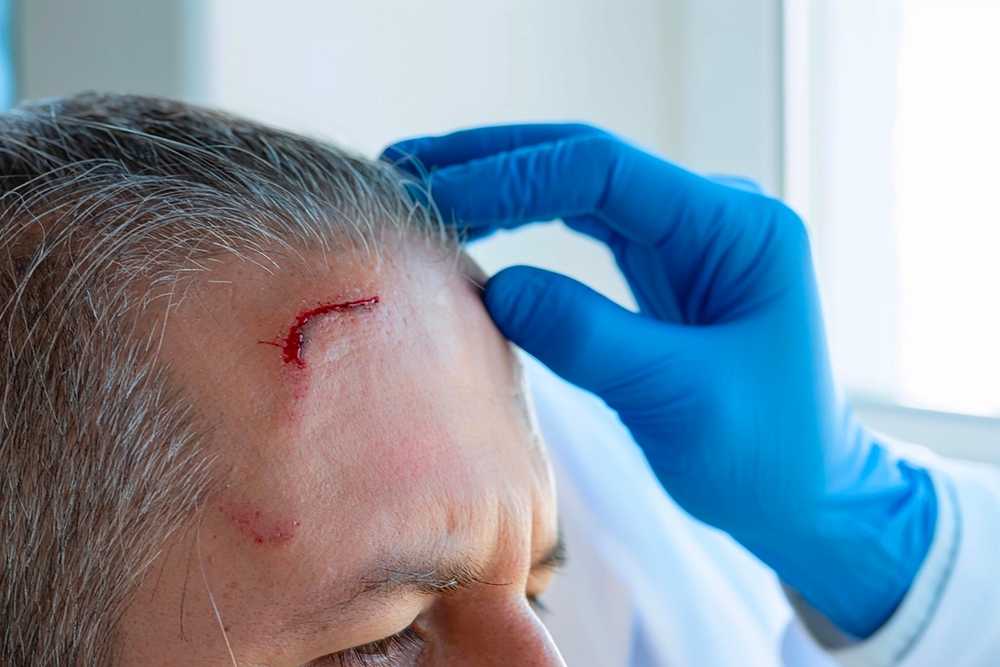
- Cuts and lacerations
- Nerve damage
- Facial and dental injuries
- Permanent scarring
- Internal injuries
Some symptoms may not be immediately obvious. Head injuries, in particular, can produce headaches, dizziness, confusion, nausea, memory difficulties, or other symptoms after the accident. Anyone struck by a falling object should take concerning symptoms seriously and seek appropriate medical attention.
What Compensation May Be Available?
When negligence causes a falling object injury, an injured person may be able to pursue compensation for losses resulting from the accident. The specific damages depend on the severity of the injuries and their impact on the person’s life.
Potential damages can include medical expenses, future treatment costs, lost income, reduced earning capacity, rehabilitation expenses, and compensation for pain and suffering when recoverable under Florida law. Serious injuries can also create long-term costs if the victim requires ongoing therapy, surgery, assistance, or accommodations.
Florida applies comparative fault rules to negligence actions. A claimant’s own share of responsibility can reduce recoverable damages, and under current Florida law, a claimant found more than 50 percent at fault generally cannot recover in a negligence action, subject to statutory exceptions. This is another reason evidence about exactly how the accident occurred can be so important.
Why Legal Representation Can Make a Difference
Falling object injury claims can involve more complicated liability questions than initially appear. A property owner may blame a contractor, a retailer may blame a product supplier, or multiple businesses may dispute who controlled the area. Meanwhile, surveillance footage and other evidence may disappear if it is not preserved promptly.
Payas, Payas, & Payas identify liability, damages, and available sources of recovery as key considerations when evaluating personal injury cases. An attorney can investigate the property, identify potentially responsible parties, obtain maintenance and inspection records, preserve video evidence, interview witnesses, and evaluate the full extent of the client’s losses.
Conclusion
Being struck by a falling object may seem like an unpredictable accident, but sometimes the incident traces back to a preventable safety problem. Improperly stacked merchandise, deteriorating building components, unsecured fixtures, and unsafe construction practices can all place visitors at unnecessary risk.
Whether a property owner can be held responsible depends on the circumstances surrounding the accident, including who controlled the area, what caused the object to fall, whether the danger was known or reasonably discoverable, and whether reasonable precautions were taken. In some cases, contractors, management companies, or other businesses may also share responsibility.
If you or a loved one has suffered serious injuries after being struck by a falling object in Florida, contact Payas, Payas, & Payas to discuss your legal options. An experienced personal injury attorney can investigate what happened, identify potentially responsible parties, preserve important evidence, and help you determine whether you have grounds to pursue compensation.
Frequently Asked Questions (FAQ)
1. Can I sue a store if merchandise falls from a shelf and injures me? Potentially. If negligent stocking, inadequate maintenance, damaged shelving, or another preventable dangerous condition contributed to the accident, the store or another responsible party may be liable. The specific circumstances and available evidence will determine whether a valid claim exists.
2. What if nobody knows how long the dangerous condition existed? That can complicate a claim, but it does not necessarily end the investigation. Surveillance footage, inspection records, employee testimony, prior complaints, and evidence about how the condition developed may help establish what the responsible party knew or reasonably should have known.
3. Can more than one company be responsible for a falling object? Yes. Depending on the circumstances, responsibility could involve a property owner, tenant, management company, contractor, maintenance provider, or another party. Florida’s comparative fault rules allow fault to be allocated among responsible parties in negligence cases.