When a defective product causes an injury, determining legal responsibility is not always straightforward. Manufacturers have an obligation to place reasonably safe products into the marketplace, but consumers also have a responsibility to use products appropriately. What happens when those two issues overlap? If someone uses a product incorrectly and is injured, can the manufacturer still be held responsible? Under Florida’s product liability laws, the answer depends on the nature of the defect, how the product was used, whether that use was reasonably foreseeable, and how each party’s actions contributed to the injury. At Payas, Payas, & Payas, we help injured consumers understand these complicated questions and determine whether they have grounds to pursue compensation. Below, we examine how product misuse and liability interact under Florida law and why misuse does not necessarily eliminate a valid product liability claim.
Understanding Product Liability in Florida
Product liability refers to the legal responsibility that manufacturers, distributors, retailers, and other parties may have when a defective or unreasonably dangerous product injures someone. These cases can involve everything from automobiles and household appliances to power tools, medical devices, children’s products, and industrial equipment. Depending on the circumstances, a claim may involve negligence, strict product liability, breach of warranty, or a combination of legal theories.
Product defects generally fall into three major categories:
- Design defects: The product’s underlying design makes it unreasonably dangerous.
- Manufacturing defects: Something goes wrong during production, causing a particular product to differ dangerously from its intended design.
- Warning or instruction defects: The manufacturer fails to provide adequate warnings or instructions concerning non-obvious dangers associated with the product.
When an injury occurs, identifying the type of defect is only one part of the investigation. Attorneys must also determine how the product was being used and whether the injured person’s actions contributed to what happened.
Does Misusing a Product Automatically Prevent You From Filing a Claim?
A common misconception is that any misuse automatically prevents an injured consumer from recovering compensation. Florida product liability cases are more complicated than that. The circumstances surrounding the misuse matter significantly, particularly whether the consumer’s behavior was reasonably foreseeable to the manufacturer.
Manufacturers generally are not expected to anticipate every imaginable way someone could misuse a product. If a consumer uses an item in an extraordinarily dangerous manner that has no reasonable relationship to its intended purpose, the manufacturer may have a strong defense. For example, deliberately removing critical safety equipment and then operating machinery in a manner specifically prohibited by its instructions could substantially affect an injury claim.
However, some unintended uses are predictable. Consumers do not always interact with products precisely as manufacturers envision, and certain forms of misuse may be common enough that a manufacturer should reasonably anticipate them. When foreseeable misuse creates a significant danger, proper product design, safety mechanisms, or warnings may be necessary to reduce that risk.
Foreseeable Misuse Can Make a Major Difference
Foreseeability is an important concept when considering product misuse and liability. The question is not necessarily whether the consumer followed every instruction perfectly. Instead, one issue may be whether the way the consumer used the product was something a manufacturer could reasonably anticipate.
Consider a household product with a removable safety guard. If the manufacturer knows consumers frequently remove that component during ordinary use. Yet, the product can cause catastrophic injuries without it, questions may arise about whether additional safeguards or clearer warnings were necessary. Similarly, if children can easily access a hazardous component of a consumer product, a manufacturer may need to account for that foreseeable risk depending on the product and circumstances.
Evidence that may help establish foreseeable misuse includes:
- Previous consumer complaints involving similar incidents
- Prior injuries associated with the same product
- Manufacturer testing and internal safety evaluations
- Product recall information
- Industry standards and recommended safety practices
- Instructions and warnings supplied with the product
- Expert analysis of the product’s design
Every product liability case is fact-specific. A detailed investigation is necessary before determining whether misuse defeats a claim or is simply one factor in deciding responsibility.
What If You Ignored the Product’s Warning Label?
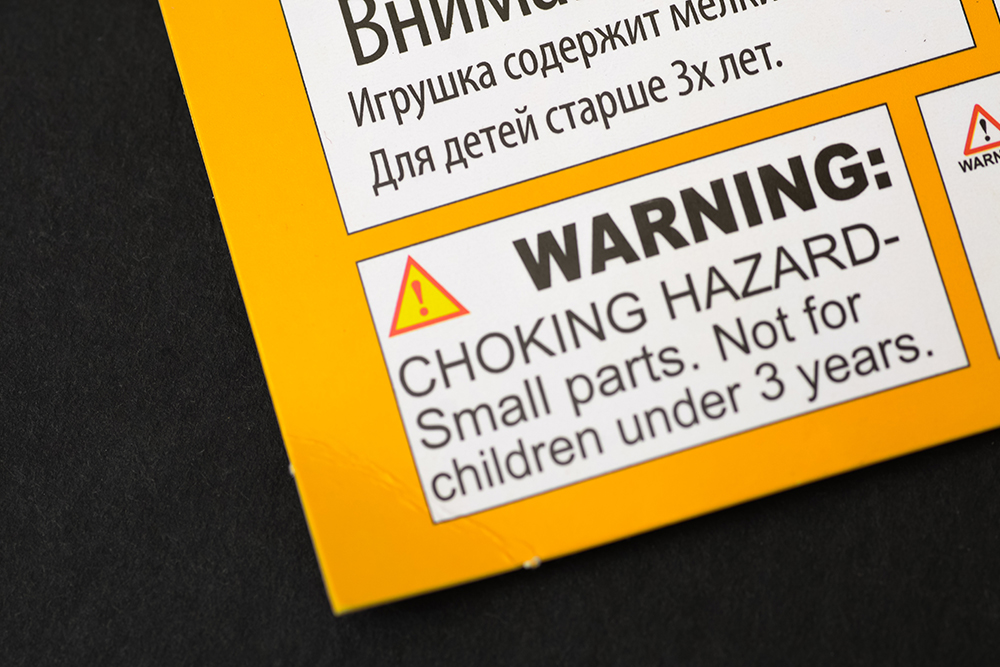
Warning labels can be important evidence, but a warning does not necessarily protect a manufacturer from liability. A warning must be appropriate to the hazard and provide consumers with meaningful information about risks that may not otherwise be apparent.
Questions that may arise include whether the warning was:
- Clearly visible
- Easy to understand
- Specific about the danger
- Appropriately positioned on the product or packaging
- Sufficient to explain the consequences of improper use
A manufacturer generally cannot rely on a vague or inadequate warning to excuse an unreasonably dangerous product. There may also be situations in which a safer design could have prevented an injury rather than requiring consumers to rely exclusively on warnings.
On the other hand, deliberately disregarding a clear and prominent warning can become significant evidence in the manufacturer’s defense. The effect that it has on the case will depend on the facts surrounding the accident and the applicable law.
How Comparative Fault Can Affect Compensation
Another important consideration is Florida’s comparative fault law. In many negligence-based personal injury cases, responsibility can be divided among multiple parties when more than one person’s actions contributed to an injury. Product liability litigation can add complexity in how comparative fault principles apply to specific claims, making individual legal analysis important.
Suppose, for example, evidence indicates that a defective power tool contributed to an accident but that the injured person also operated the tool carelessly. The manufacturer may argue that the consumer’s conduct contributed substantially to the injury. The injured person, meanwhile, may argue that the dangerous defect would have caused or substantially contributed to the accident regardless.
These disputes can become highly technical. Manufacturers and their insurers often emphasize consumer behavior while minimizing evidence of defective design, manufacturing problems, or inadequate warnings. An experienced product liability attorney can investigate both sides of the incident and challenge attempts to assign an unfair degree of responsibility to the injured consumer.
What Evidence Is Important in a Product Misuse Case?
Evidence is especially important when a manufacturer claims that an injured consumer caused the accident through misuse. The product itself may become one of the most valuable pieces of evidence in the entire case. Whenever possible, preserve it in its post-accident condition rather than repairing, modifying, discarding, or returning it to the manufacturer without first getting legal advice.
Other important evidence may include:
- Photographs and videos of the product and accident scene
- Original packaging and instruction manuals
- Receipts or other proof of purchase
- Warning labels
- Medical records documenting the injuries
- Witness statements
- Maintenance and repair records
- Information concerning recalls or similar incidents
Engineers, product safety specialists, medical professionals, and other expert witnesses may also be needed. An expert may examine whether a defect existed, whether an alternative design could have reduced the danger, and whether the consumer’s use of the product was reasonably foreseeable.
What Compensation May Be Available After a Defective Product Injury?
When a defective product causes serious injuries, the financial consequences can extend well beyond the initial medical bills. A victim may be unable to work for weeks or months, require surgery or rehabilitation, or experience permanent limitations that affect employment and everyday activities.
Depending on the circumstances, recoverable damages may include:
- Past and future medical expenses
- Lost wages
- Reduced future earning capacity
- Rehabilitation expenses
- Pain and suffering
- Permanent disability or impairment
- Property damage
If a defective product causes a fatal injury, eligible survivors may also have rights under Florida’s wrongful death laws. The damages available depend on the particular facts and legal claims involved.
Why Product Liability Cases Require Experienced Legal Representation
Product liability cases can become complicated quickly, particularly when a manufacturer alleges that the consumer misused its product. Large manufacturers and their insurers often have substantial resources available to investigate accidents and defend claims. Their attorneys may argue that the product was safe, the consumer ignored instructions, the product was modified after purchase, or another person caused the accident.
At Payas, Payas, & Payas, we can investigate the circumstances surrounding a product-related injury and determine whether negligence or a dangerous defect may have contributed to the accident. This may involve preserving the product, reviewing technical documentation, researching similar incidents, consulting qualified experts, and identifying every party that may bear responsibility.
Having experienced legal representation can also be important when dealing with insurers and corporate defendants. A product liability attorney can evaluate arguments about misuse in the context of the complete evidence rather than allowing the manufacturer to use the allegation as an automatic reason to reject a legitimate claim.
Conclusion: Product Misuse Does Not Always Eliminate Manufacturer Liability
Using a product differently from its intended purpose can affect a Florida product liability claim, but it does not necessarily free the manufacturer from responsibility. Key questions include whether the product was defective, whether the consumer’s actions contributed to the injury, whether the misuse was reasonably foreseeable, and whether adequate safety features and warnings were provided.
Because these cases often involve complicated legal and technical questions, injured consumers should not assume they have no claim simply because they may have used a product incorrectly. The circumstances surrounding the accident should be carefully evaluated before reaching that conclusion.
If a potentially defective product in Florida has seriously injured you or a loved one, contact Payas, Payas, & Payas to discuss your legal options. Our experienced personal injury attorneys can investigate what happened, evaluate allegations of product misuse, identify potentially responsible parties, and pursue the compensation available under Florida law.
Frequently Asked Questions (FAQ)
1. Can I sue a manufacturer if I was using the product incorrectly? Potentially. Misuse can affect a product liability case, but it does not automatically prevent a claim. Whether the misuse was foreseeable and whether a product defect also contributed to the injury are important considerations.
2. What if I modified the product before I was injured? A substantial modification may make a product liability claim more difficult, particularly if the change created the hazard that caused the injury. However, the circumstances of the modification, the original defect, and whether the manufacturer could reasonably anticipate the modification.
3. Should I return a defective product to the manufacturer after an accident? If the product caused a serious injury and a potential legal claim exists, preserving it may be extremely important. Before returning, repairing, modifying, or disposing of the product, consider speaking with a product liability attorney about preserving potential evidence.