Household products are designed to make life easier, safer, and more convenient. From kitchen appliances and cleaning tools to electronics and furniture, consumers rely on these items daily without expecting them to pose serious risks. Unfortunately, defective household products can cause severe injuries, property damage, and even life-threatening situations. When these products fail, the consequences can be devastating and often preventable. If you or a loved one has suffered injuries caused by defective household products, understanding your legal options is essential to protecting your rights and securing compensation. At Payas, Payas, & Payas, we help Florida injury victims hold manufacturers and corporations accountable when unsafe products cause harm. This article explains how these injuries occur, who may be responsible, and what legal paths are available.
How Defective Household Products Cause Injuries
Household products can become dangerous due to design flaws, manufacturing errors, or inadequate safety warnings. These defects may not be obvious at first, which makes them particularly hazardous. Many consumers use products exactly as intended, only to experience unexpected failures that result in injury.
Common causes of injuries caused by defective household products include:
- Electrical malfunctions leading to shocks or fires
- Overheating appliances causing burns or explosions
- Structural defects in furniture causing collapse
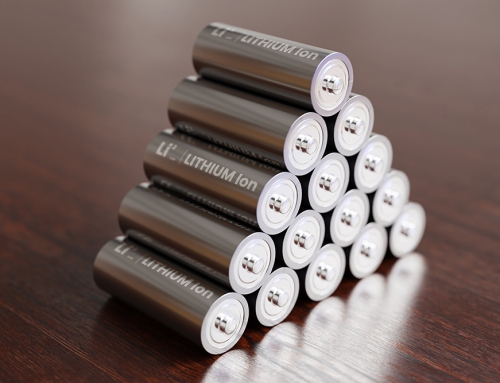
- Faulty cords, wiring, or batteries
- Sharp or poorly designed components causing lacerations
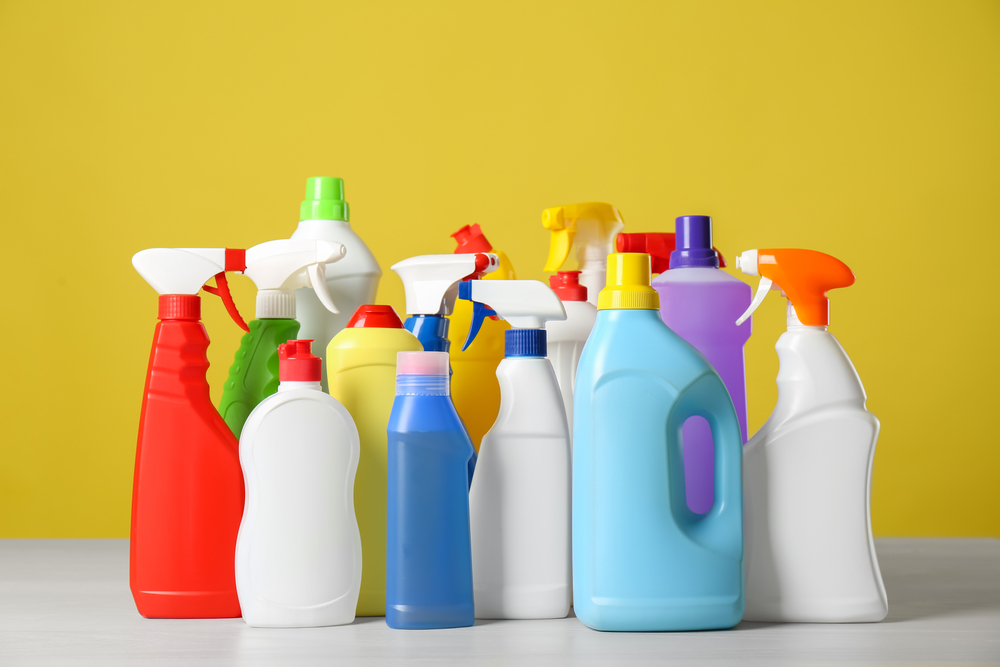
- Chemical exposure from improperly labeled cleaning products
- Defective tools or equipment lacking safety guards
Because these products are used in everyday environments, injuries can occur without warning and often involve serious physical harm.
Types of Defects That Lead to Liability
In legal terms, product liability cases generally fall into three categories. Understanding these categories is key to determining whether you have a valid claim for injuries caused by defective household products.
Design Defects
These occur when a product is inherently unsafe due to its design, even if it is manufactured correctly. For example, a space heater designed without proper temperature controls may pose a fire hazard regardless of how carefully it is assembled.
Manufacturing Defects
Manufacturing defects arise during the production process. A product may be safe in design but become dangerous due to errors such as faulty assembly, substandard materials, or quality-control failures.
Failure to Warn (Marketing Defects)
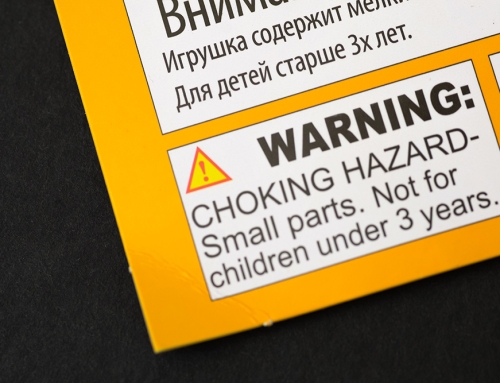
Some products require clear instructions or warnings to ensure safe use. If a manufacturer fails to provide adequate safety information, consumers may unknowingly expose themselves to danger.
Each type of defect can form the basis of a legal claim, and identifying the correct category helps determine who is responsible.
Who Can Be Held Responsible for Defective Products?
Liability for injuries caused by defective household products often extends across multiple parties in the product’s supply chain. Unlike many other personal injury cases, responsibility is not limited to a single individual or entity.
Potentially liable parties include:
- Product manufacturers
- Component part manufacturers
- Distributors and wholesalers
- Retail stores or online sellers
- Importers of foreign-made products
Under Florida law, these parties may be held accountable even if they did not directly cause the defect. The goal of product liability law is to ensure that companies placing products into the marketplace are responsible for their safety.
Common Injuries Caused by Defective Household Products
The severity of injuries caused by defective household products can vary widely, but many cases require significant medical treatment and lead to long-term consequences. These injuries often occur suddenly and without warning.
Common injuries include:
- Burns from overheating devices or electrical failures
- Cuts or lacerations from sharp or broken components
- Broken bones from collapsing furniture or equipment
- Head injuries from falling objects
- Respiratory issues from toxic chemical exposure
- Electrocution or nerve damage
- Long-term complications requiring ongoing care
Because these injuries can disrupt daily life and lead to substantial medical expenses, pursuing compensation is often necessary for recovery.
What Legal Options Are Available to Victims?
If you have suffered injuries caused by defective household products, several legal options may be available depending on the circumstances of your case. Product liability claims allow victims to seek compensation without always having to prove traditional negligence.
Legal options may include:
- Strict Liability Claims: Holding manufacturers responsible regardless of intent or negligence
- Negligence Claims: Demonstrating that a company failed to exercise reasonable care
- Breach of Warranty Claims: Arguing that the product did not meet safety expectations or advertised standards
These claims can be pursued individually or, in some cases, as part of larger litigation involving multiple victims harmed by the same defective product.
Evidence Needed to Support Your Claim
Strong evidence is essential when pursuing compensation for injuries caused by defective household products. Because companies often dispute liability, documenting the defect and its impact is critical.
Important evidence may include:
- The defective product itself, preserved in its current condition
- Photos or videos of the product and injuries
- Medical records detailing diagnosis and treatment
- Receipts or proof of purchase
- Instruction manuals or packaging
- Witness statements
- Expert analysis of the product defect
Preserving the product is especially important, as altering or discarding it can weaken your claim.
Compensation Available for Product-Related Injuries
Victims of defective household products may be entitled to compensation for a wide range of damages. The goal is to address both financial losses and the personal impact of the injury.
Potential compensation includes:
- Medical expenses and future treatment costs
- Lost wages and reduced earning capacity
- Pain and suffering
- Emotional distress
- Rehabilitation or therapy costs
- Property damage caused by the defective product
In cases involving particularly dangerous or reckless conduct, additional damages may be pursued to hold companies accountable and deter similar behavior.
How Florida Law Protects Consumers
Florida law provides strong protections for consumers injured by unsafe products. Product liability laws are designed to shift responsibility to those who create and distribute defective goods rather than placing the burden on injured consumers.
However, these cases can be complex. Manufacturers often argue that:
- The product was misused
- Another factor caused the injury
- The defect did not exist when the product left their control
- The consumer ignored warnings or instructions
Overcoming these defenses requires careful legal strategy and strong evidence.
Why You Need an Experienced Personal Injury Attorney
Product liability cases involving injuries caused by defective household products are often aggressively defended by large corporations with significant legal resources. Without experienced legal representation, victims may struggle to prove their claims or recover fair compensation.
At Payas, Payas, & Payas, we help clients by:
- Investigating the product defect thoroughly
- Working with engineering and safety experts
- Identifying all liable parties
- Handling negotiations with insurers and corporations
- Pursuing litigation when necessary
Our goal is to ensure that injured individuals are not left to face powerful companies alone.
Conclusion
Injuries caused by defective household products can have serious and lasting consequences, turning everyday items into sources of harm. Fortunately, Florida law provides clear legal options for holding manufacturers and sellers accountable when unsafe products cause injury. By understanding your rights, preserving evidence, and seeking legal guidance, you can pursue the compensation you deserve and help prevent future harm to others.
If you or a loved one has suffered injuries caused by defective household products, contact Payas, Payas, & Payas today for a free consultation. Our experienced personal injury attorneys will evaluate your case, explain your legal options, and fight to secure the compensation you deserve. Let us help you take the next step toward recovery and justice.
Frequently Asked Questions (FAQ)
1. Do I need to prove the manufacturer was negligent? Not always. Under strict liability, you may recover compensation by proving the product was defective and caused your injury.
2. What should I do with the defective product after an injury? Keep it in its current condition. Do not attempt to repair or discard it, as it is critical evidence for your case.
3. Can I file a claim if I no longer have the receipt? Possibly. While receipts help, other evidence, such as bank statements, packaging, or witness testimony, may still support your claim.