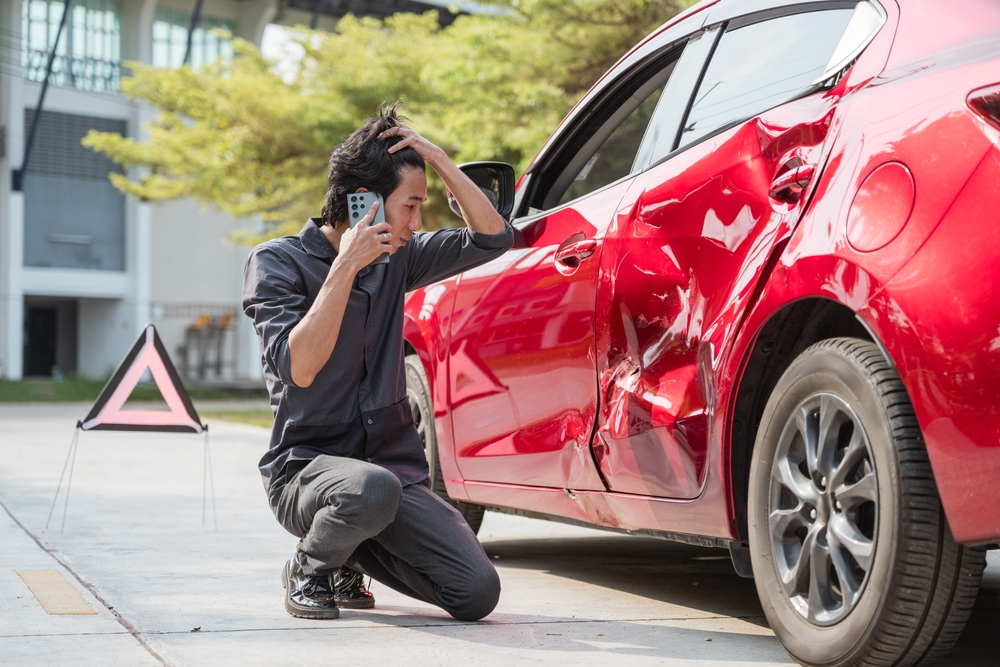
Car accidents are stressful under any circumstances, but discovering that the other driver is uninsured adds another layer of difficulty and uncertainty. Florida law requires all drivers to carry a minimum level of insurance, yet many motorists remain uninsured or underinsured, putting accident victims at risk of unpaid damages. If you’ve been injured in a car accident caused by an uninsured driver, you may wonder how to cover your medical bills, lost wages, and other expenses. At Payas, Payas, & Payas, we help victims navigate these complex situations every day. In this article, we’ll explain your options and the steps to take if you’re injured by an uninsured driver in Florida.
Florida’s No-Fault Insurance System
Florida operates under a no-fault insurance system, which means that after most car accidents, drivers turn first to their own insurance policies for coverage, regardless of who was at fault. This coverage, called personal injury protection (PIP), is mandatory for all drivers in Florida and typically covers:
- Up to 80% of medical expenses (up to policy limits)
- A portion of lost wages if your injuries prevent you from working
- Certain out-of-pocket expenses related to the accident
Even if the other driver is uninsured, your PIP coverage can help cover immediate medical costs and financial losses. However, PIP coverage is limited and may not be sufficient in cases involving severe injuries or extensive damage.
Uninsured/Underinsured Motorist (UM/UIM) Coverage
One of the most important protections for Florida drivers is uninsured/underinsured motorist (UM/UIM) coverage, which is optional but highly recommended. UM/UIM coverage steps in when the at-fault driver either has no insurance or insufficient insurance to cover your damages. If you carry UM/UIM coverage, it can provide compensation for:
- Medical expenses not covered by PIP
- Lost income and reduced earning capacity
- Pain and suffering
- Permanent disability or disfigurement
Reviewing your insurance policy is critical after an accident with an uninsured driver. If you have UM/UIM coverage, it can serve as a lifeline in securing adequate compensation.
Other Avenues for Recovery
If you do not have UM/UIM coverage, there may still be other avenues to recover compensation:
- Personal Lawsuit Against the Driver: You may sue the uninsured driver directly, but in many cases, these drivers lack sufficient assets to pay judgments. While it is an option, recovery may be limited.
- Other Liable Parties: Sometimes, third parties may share responsibility for the accident. For example, if the crash involved a defective vehicle part, the manufacturer might be liable. If the driver was working at the time, their employer may share responsibility.
- Your Health Insurance: After exhausting PIP benefits, your health insurance may cover additional medical expenses, though deductibles and co-pays may apply.
Exploring all potential sources of compensation is critical in these cases, and a personal injury attorney can thoroughly investigate all options on your behalf.
Steps to Take After the Accident
To protect your rights and strengthen your case after an accident with an uninsured driver, it’s important to take specific steps:
- Call Law Enforcement: Always report the accident to the local law enforcement agency. A detailed accident report can help establish liability and document the uninsured status of the other driver.
- Seek Medical Attention Immediately: Prompt treatment ensures that your injuries are properly documented and linked directly to the accident.
- Gather Evidence: Take photos of the accident scene, vehicle damage, road conditions, and your injuries. Collect contact information from the other driver and witnesses.
- Notify Your Insurance Company: Report the accident to your insurer as soon as possible, especially if you plan to use UM/UIM coverage.
- Consult a Personal Injury Attorney: An experienced attorney can assess your case, handle communications with insurers, and explore every available option for compensation.
Why You Need an Experienced Attorney
Insurance companies often attempt to minimize or deny claims, especially when uninsured drivers are involved. A skilled personal injury attorney will advocate on your behalf, ensure fault is properly established, and maximize your chances of receiving fair compensation. At Payas, Payas, & Payas, we have extensive experience handling uninsured motorist cases in Florida and understand how to pursue recovery for injured victims effectively.
Conclusion
Being injured in a car accident with an uninsured driver in Florida presents unique challenges, but it does not mean you’re left without options. Between your PIP coverage, potential UM/UIM coverage, and other avenues for recovery, you may still be able to secure compensation for your injuries and financial losses. Taking immediate action and consulting with an experienced attorney are the best steps to protect your rights.
If you’ve been injured in a car accident involving an uninsured driver, don’t face the aftermath alone. Contact Payas, Payas, & Payas today for a free consultation. Our dedicated personal injury attorneys will evaluate your case, explain your options, and fight tirelessly to secure the compensation you deserve. Call us now and take the first step toward protecting your future.
Frequently Asked Questions (FAQ)
1. What if I don’t have UM/UIM coverage and the other driver is uninsured? You may still recover damages through your PIP coverage, health insurance, or by filing a lawsuit directly against the uninsured driver, though the chances of recovery can be limited.
2. Does my PIP coverage cover all of my medical expenses? No, PIP only covers 80% of your medical expenses, up to your policy limits, which are often capped at $10,000. For serious injuries, this amount is usually insufficient, making UM/UIM coverage critical.
3. Can I sue Airbnb if my accident involved one of their drivers? In cases involving ride-share accidents or drivers working for companies, you may be able to sue the employer or company if they share liability. Each case requires careful legal evaluation.