Elevators and escalators are fixtures in public buildings throughout Florida. They are found in shopping malls, hotels, airports, office complexes, hospitals, schools, and more. Most of us step onto them daily without a second thought, trusting they’re safe and properly maintained. Unfortunately, when elevators or escalators malfunction, the injuries can be severe. Falls, crush injuries, sudden stops, door malfunctions, entrapment, and mechanical failures have led countless Floridians to emergency rooms. When these incidents occur, victims are often left wondering who is responsible and whether they have a legal right to compensation. At Payas, Payas, & Payas, we specialize in helping injured victims pursue claims involving dangerous conditions in public spaces. In this article, we break down the causes of these accidents, who may be liable, and what steps to take if you’ve been hurt.
How Elevator and Escalator Accidents Happen
While elevators and escalators are highly regulated and undergo safety inspections, they are still complex mechanical systems that can fail. Accidents may occur due to a variety of causes, including poor maintenance, improper repairs, overlooked safety warnings, defective manufacturing, or operator negligence.
Common causes of accidents include:
- Sudden drops or rapid stops
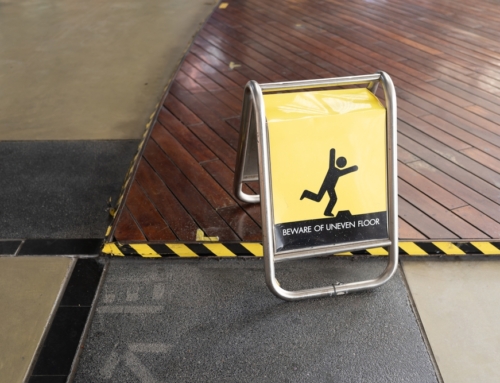
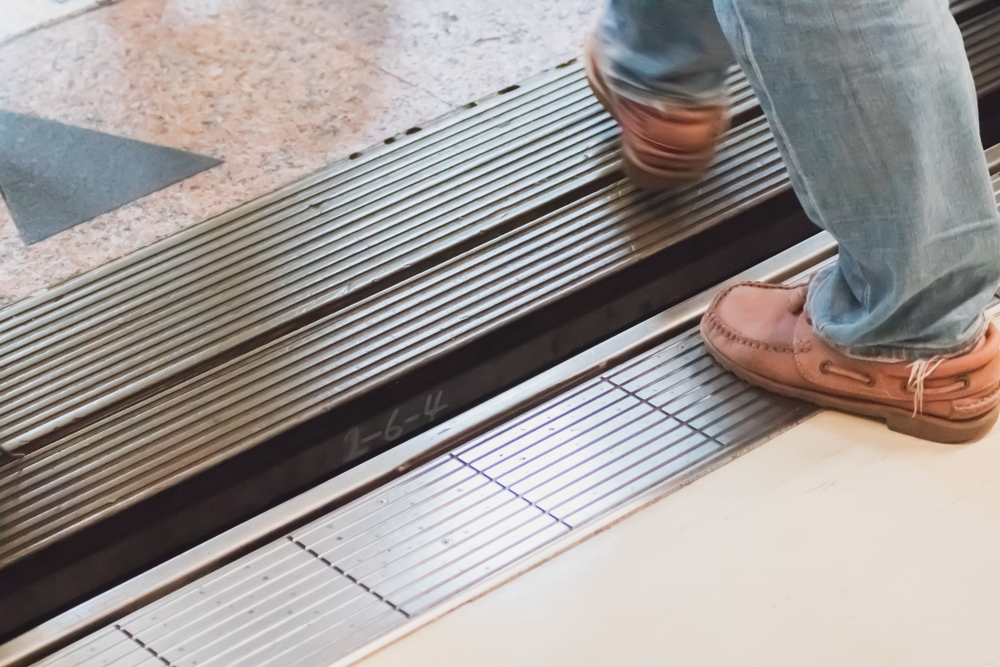
- Misaligned floors causing tripping hazards
- Faulty door sensors leading to impact or entrapment
- Escalator steps collapsing or catching clothing
- Inadequate installation or structural defects
- Failure to perform required inspections
- Broken emergency stop functions
When machinery fails, the consequences can be serious. Victims may suffer broken bones, spinal injuries, head trauma, internal injuries, lacerations, or long-term disabilities. Understanding the root cause of the malfunction is key to determining who bears responsibility for the harm suffered.
Who May Be Liable in Elevator and Escalator Accident Claims?
Determining liability in these cases can be complex because several parties may be involved in maintenance, installation, and oversight. Unlike simple slip-and-fall claims, elevator and escalator accidents often involve multiple potential defendants.
Those who may be held liable include:
1. Property Owners
Building owners, whether private businesses, municipalities, or commercial landlords, are legally responsible for maintaining a safe environment. If an accident results from neglected maintenance, lack of repairs, or unsafe conditions, the property owner may be held accountable.
2. Maintenance Companies
Most public buildings contract with elevator service companies for inspections, repairs, lubrication, and safety testing. When these companies fail to service the equipment or overlook hazards properly, they may be legally responsible for resulting injuries.
3. Manufacturers
If a design flaw, structural weakness, or mechanical defect caused the accident, the elevator or escalator manufacturer can be held liable under product liability law.
4. Installation Contractors
Improper installation can lead to long-term safety hazards. Contractors who incorrectly assembled the machinery or failed to meet required specifications may share responsibility.
5. Government Entities
If the equipment is inside a government-owned building, such as a courthouse, school, or municipal facility, public entities may be liable if negligence contributed to the accident.
Because multiple parties may share liability, these cases require detailed investigation, expert analysis, and deep knowledge of Florida premises liability law.
Understanding Florida Premises Liability
Elevator and escalator accident claims are typically evaluated under Florida’s premises liability laws. Premises liability holds property owners and operators responsible for injuries caused by unsafe conditions they knew, or should have known, about.
To recover compensation, victims must prove that:
- The responsible party had a duty to ensure safety
- That duty was breached through negligence
- The breach directly caused injury
- Damages resulted from that injury
Examples of negligence include missing scheduled inspections, failing to address known safety concerns, ignoring service alerts, or allowing maintenance certifications to expire. Public building owners are expected to take reasonable steps to ensure safety, and when they neglect their responsibilities, injured victims can pursue claims for justice.
Types of Elevator and Escalator Failures
Accidents involving elevators and escalators typically fall into a few common categories. Understanding these failure types helps identify liability and prove negligence.
Mechanical Malfunctions
Aging parts, electrical failures, worn cables, or faulty sensors can lead to abrupt stops, drops, or sudden jolts that throw passengers off balance.
Door Defects
Doors slamming shut, failing to detect people, or opening unevenly are dangerous conditions that cause entrapments, falls, or impact injuries.
Escalator Step Defects
Loose panels, missing teeth, or collapsing steps can lead to falls, lacerations, or limbs being caught.
Misalignment
If elevator cars do not stop level with the floor, passengers stepping out can fall, twist ankles, or slip unexpectedly.
Lack of Warning Notices
When machinery is out of service and the public is not properly warned, building operators may be liable if someone is injured due to misinformation or a lack of signage.
Each accident type presents unique legal considerations, and identifying the exact cause is essential for a successful claim.
Evidence Needed to Prove Liability
Elevator and escalator accident cases rely heavily on expert investigation. To build a strong claim, attorneys work with engineers, safety specialists, and mechanical inspectors to uncover evidence. Critical evidence may include:
- Maintenance logs and inspection schedules
- Surveillance video of the incident
- Manufacturer manuals and defect history
- Witness statements
- Safety records and repair invoices
- Compliance with Florida safety regulations
Preserving evidence quickly is crucial, as building owners or service companies may attempt to repair or replace equipment before it can be inspected. This is one of the reasons victims should seek legal representation immediately after an incident.
What to Do If You’re Injured
If you are injured on an elevator or escalator, taking the right steps can protect your claim and maximize your ability to pursue compensation.
Here’s what you should do:
- Report the incident immediately to building management or security personnel
- Document the scene with photos or videos if possible
- Seek medical attention to diagnose injuries and establish medical records
- Gather witness information, including names and phone numbers
- Avoid giving statements to insurance companies or property managers
- Contact an attorney to begin investigating before the evidence disappears
Even if you believe your injuries are minor, symptoms can worsen over time. Medical documentation is critical to proving your injuries and linking them to the incident.
Compensation Available to Victims
Victims injured in elevator or escalator accidents may be entitled to various forms of compensation, depending on the severity of their injuries. Compensation may include:
- Medical expenses
- Rehabilitation therapy
- Lost wages
- Lost earning capacity
- Pain and suffering
- Emotional distress
- Permanent disability
- Scarring or disfigurement
In extreme cases involving reckless disregard for safety, punitive damages may also be pursued to punish negligent parties and prevent future accidents.
The Importance of Hiring an Experienced Attorney
Elevator and escalator accident claims are more complex than standard slip-and-fall cases. They require technical knowledge, access to mechanical experts, and legal strategies tailored to the unique systems involved. Companies facing liability will often deny wrongdoing, blame “unforeseeable malfunction,” or attempt to shift responsibility to another party.
At Payas, Payas, & Payas, we conduct:
- Detailed investigations
- Expert-led evaluations
- Evidence preservation
- Negotiations with multiple responsible parties
- Aggressive pursuit of compensation through litigation if needed
Our firm understands the unique challenges in these claims and has the resources necessary to fight large corporations, property owners, service companies, or manufacturers on your behalf.
Conclusion
When elevators or escalators malfunction, victims can suffer serious and life-altering injuries. Florida law protects injured individuals by holding property owners, maintenance companies, and manufacturers accountable for unsafe or defective equipment. Building a successful claim requires skilled legal analysis, strong evidence, and the support of experienced attorneys. If you or someone you love has been injured in an elevator or escalator accident, you may be entitled to compensation—and you do not have to face the legal battle alone.
If you’ve been injured due to an elevator or escalator accident in a Florida public building, contact Payas, Payas, & Payas today. Our experienced attorneys will investigate your case, identify all responsible parties, and fight tirelessly to secure the compensation you deserve. Schedule a free consultation now to protect your rights and begin moving forward with confidence.
Frequently Asked Questions (FAQ)
1. Who is responsible for maintaining elevators and escalators in public buildings? Responsibility typically falls on property owners, but contracted maintenance companies, manufacturers, or installation contractors may also be liable.
2. What if there were no witnesses to the incident? Accident claims can still succeed through mechanical inspections, maintenance records, surveillance footage, and expert testimony.
3. Should I report minor injuries? Yes. Even injuries that seem minor can worsen over time. Reporting the incident and seeking medical care creates valuable documentation for your claim.