Florida is home to some of the most popular theme parks in the world, attracting millions of visitors each year. While these parks are designed to entertain, they are also complex environments filled with rides, crowds, machinery, and employees, all of which can create opportunities for serious accidents. Most visitors assume that if they are injured at a theme park, they have no legal options because of tickets, waivers, or posted warning signs. In reality, Florida law provides important protections for injured visitors, and theme parks can be held liable when negligence causes harm. At Payas, Payas, & Payas, we help injury victims understand their rights and pursue compensation after accidents in high-traffic entertainment venues. This article explains how theme park injuries happen, who may be responsible, and what injured visitors need to know about liability in Florida.
Common Types of Theme Park Injuries
Theme parks are dynamic environments where thousands of people move through rides, attractions, restaurants, walkways, and shops every day. Injuries can occur in many different ways, some of which are far more serious than visitors expect. While some accidents involve minor injuries, others can lead to long-term or permanent harm.
Common theme park injuries include:
- Ride malfunctions or sudden stops
- Falls while entering or exiting rides
- Slip and fall accidents on wet or uneven walkways
- Falling objects or loose ride components
- Mechanical failures involving restraints or safety harnesses
- Injuries caused by overcrowding or poor crowd control
- Escalator, elevator, or tram accidents within the park
- Food poisoning or allergic reactions from park dining
Because theme parks operate at a fast pace, hazards can easily be overlooked. When safety procedures are ignored or maintenance is delayed, visitors may suffer entirely preventable injuries.
Do Theme Park Tickets and Waivers Prevent Lawsuits?
One of the most common misconceptions is that purchasing a ticket or entering a theme park automatically waives your right to sue. While many parks include liability waivers or warning language on tickets and signage, these do not provide unlimited legal protection. Under Florida law, waivers do not excuse a company from liability for negligence.
A theme park cannot avoid responsibility if it fails to:
- Properly maintain rides and equipment
- Follow safety regulations and inspection requirements
- Train employees adequately
- Address known hazards in a timely manner
- Provide reasonable warnings for dangerous conditions
If a visitor is injured because the park acted carelessly or failed to meet safety standards, a waiver alone will not eliminate liability. Courts often scrutinize these waivers closely, especially when injuries are severe or involve children.
Understanding Premises Liability at Theme Parks
Theme park injury claims are typically analyzed under Florida premises liability law. This legal framework holds property owners and operators responsible for maintaining reasonably safe conditions for lawful visitors. Theme parks owe a high duty of care because they invite the public onto their property for profit.
To establish liability, an injured visitor generally must prove:
- The theme park owed a duty of care to keep guests reasonably safe
- The park breached that duty through negligence
- The negligence caused the visitor’s injury
- The injury resulted in damages such as medical bills, lost income, or pain and suffering
Examples of negligence may include ignoring maintenance schedules, failing to repair broken equipment, understaffing ride operators, or allowing dangerous overcrowding. Because theme parks are aware of the risks involved in operating rides and attractions, they are expected to take proactive steps to prevent harm.
Ride Malfunctions and Mechanical Failures
Ride-related injuries are among the most serious theme park accidents. Rides rely on complex mechanical systems, electrical components, safety restraints, and computerized controls. When any part of this system fails, riders can suffer catastrophic injuries.
Ride malfunctions may result from:
- Poor maintenance or delayed repairs
- Defective design or manufacturing flaws
- Improper installation or modification
- Failure to shut down rides after warning signs appear
- Inadequate safety testing or inspections
In these cases, liability may extend beyond the theme park itself. Manufacturers, maintenance contractors, or installation companies may also share responsibility. Identifying all potentially liable parties requires a detailed investigation and expert analysis.
Slip and Fall Accidents in Theme Parks
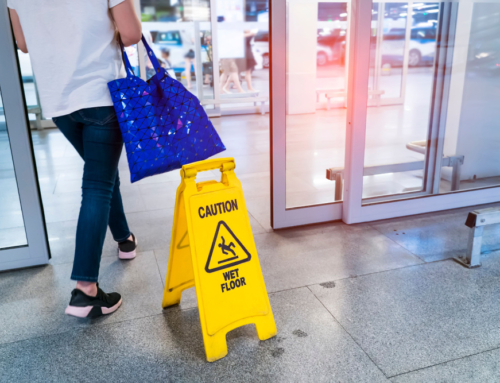
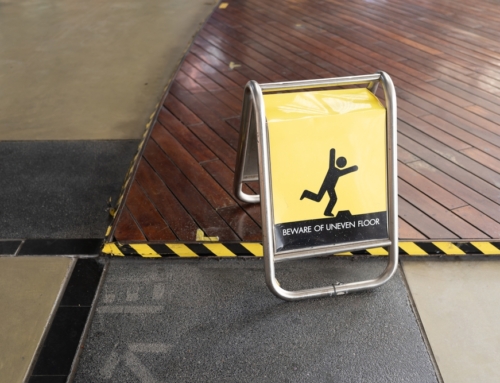
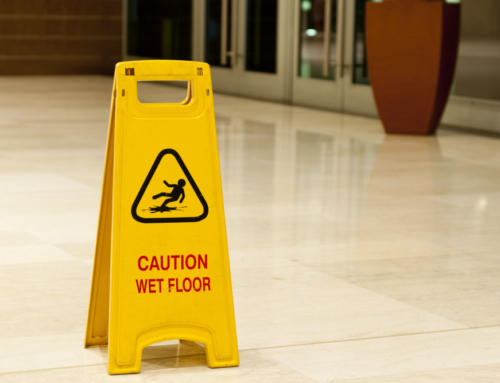
Slip-and-fall injuries are extremely common at theme parks due to large crowds, frequent spills, water attractions, and outdoor conditions. Wet surfaces, uneven pavement, loose handrails, and poorly lit areas can all create dangerous conditions.
Theme parks may be liable for slip and fall injuries if they:
- Knew or should have known about a hazardous condition
- Failed to clean spills or repair defects within a reasonable time
- Did not provide adequate warnings or barriers
- Ignored recurring safety complaints
Because parks often argue that hazards were “open and obvious,” these cases can be challenging without strong evidence. Surveillance footage, maintenance logs, and witness statements can play a critical role in proving negligence.
Injuries Involving Children at Theme Parks
Children are particularly vulnerable at theme parks, and Florida law often applies heightened scrutiny when minors are injured. Child injuries may occur due to improper height restrictions, faulty restraints, or employees failing to follow safety protocols.
Common child-related theme park injury issues include:
- Allowing children to ride attractions they are too small for
- Improperly securing safety harnesses
- Inadequate supervision in play areas
- Failure to control crowds around child-focused attractions
When a child is injured, parents may have the right to pursue compensation for medical expenses, emotional trauma, and long-term care needs. These cases often require careful legal handling due to additional procedural requirements involving minors.
Proving Liability in a Theme Park Injury Claim
Theme parks and their insurers aggressively defend injury claims. They often argue that injuries were unavoidable, caused by the visitor’s behavior, or inherent risks of amusement attractions. Successfully proving liability requires strong evidence and strategic legal action.
Key evidence may include:
- Incident reports filed with park staff
- Surveillance video from the park
- Maintenance and inspection records
- Ride operation manuals and safety logs
- Witness statements
- Medical records documenting injuries
- Expert testimony from engineers or safety specialists
Because theme parks may repair equipment or alter conditions quickly after an incident, acting fast is essential to preserving evidence.
Comparative Fault and Theme Park Injuries
Florida follows a modified comparative negligence system. This means a visitor’s compensation may be reduced if they are found partially at fault for their injury. Theme parks often attempt to shift blame by claiming guests ignored instructions, behaved recklessly, or failed to follow posted rules.
However, a partial fault does not automatically bar recovery. As long as the injured party is not more than 50% at fault, they may still recover damages. An experienced attorney can challenge unfair blame-shifting tactics and ensure fault is assigned accurately.
Compensation Available to Injured Visitors
Visitors injured at theme parks may be entitled to compensation for a wide range of damages, depending on the severity of their injuries. Compensation may include:
- Medical expenses and future treatment costs
- Lost wages and reduced earning capacity
- Pain and suffering
- Emotional distress
- Permanent disability or disfigurement
- Rehabilitation and long-term care needs
In cases involving extreme negligence or reckless disregard for safety, additional damages may be pursued to hold the responsible parties accountable.
Why You Need an Experienced Personal Injury Attorney
Theme park injury cases are not simple claims. They often involve large corporations, complex legal defenses, and aggressive insurance tactics. Without legal representation, injured visitors may be pressured into accepting low settlements or abandoning valid claims.
At Payas, Payas, & Payas, we have the experience and resources to take on powerful defendants. Our team investigates thoroughly, works with experts, and fights to ensure injured clients receive fair compensation. We handle all communications with insurers and legal teams so our clients can focus on healing.
Conclusion
Theme parks may be designed for fun, but when safety is compromised, serious injuries can occur. Florida law protects visitors when negligence causes harm, even in highly regulated entertainment venues. Understanding liability, preserving evidence, and acting quickly are key to protecting your rights. If you or a loved one has been injured at a theme park, you may have legal options worth exploring.
If you were injured at a theme park in Florida, don’t assume you have no recourse. Contact Payas, Payas, & Payas today for a free consultation. Our experienced personal injury attorneys will evaluate your case, explain your rights, and fight to hold negligent parties accountable. Let us help you pursue the compensation you deserve and move forward with confidence.
Frequently Asked Questions (FAQ)
1. Can I sue a theme park if I signed a waiver? Yes. Waivers do not protect theme parks from liability for negligence, unsafe conditions, or failure to follow safety regulations.
2. What if the theme park says the injury was my fault? Florida’s comparative negligence law allows recovery even if you are partially at fault, as long as you are not more than 50% responsible.
3. How long do I have to file a theme park injury claim in Florida? In most cases, you have two years from the date of the injury to file a personal injury lawsuit. Acting quickly helps preserve evidence and strengthens your claim.