
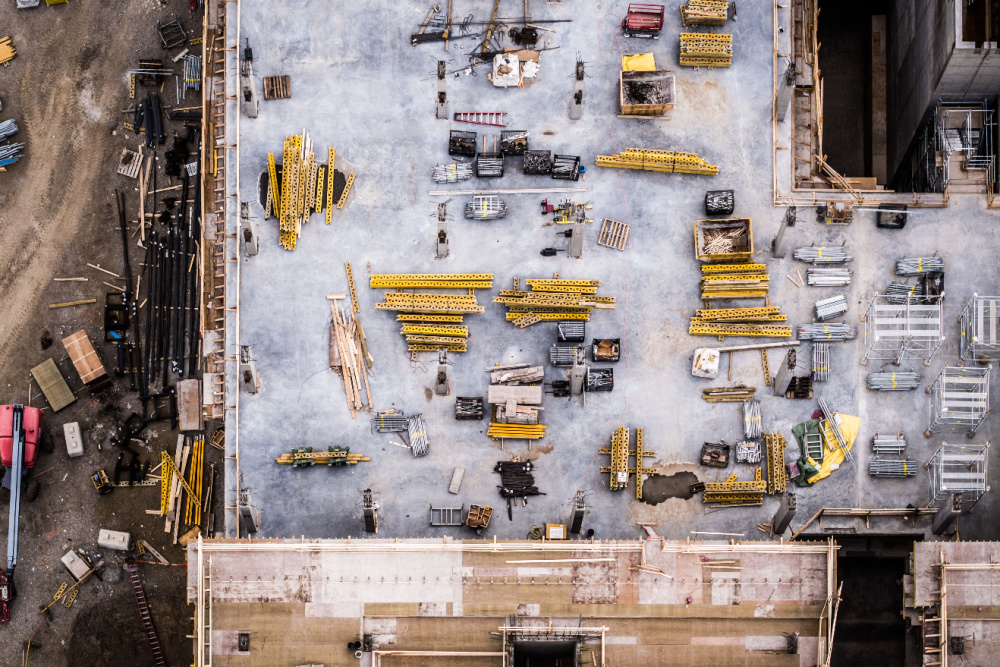
Construction sites are inherently dangerous, filled with heavy machinery, falling debris, electrical hazards, and constant activity. While much attention is placed on protecting workers, bystanders—such as pedestrians, nearby residents, motorists, or visitors—are often exposed to serious risks without realizing it. When a bystander is injured near or around a construction site, the consequences can be devastating, leading to severe injuries, mounting medical bills, and long-term life disruptions. At Payas, Payas, & Payas, we regularly help injured Floridians understand their rights after preventable construction-related accidents. This article explains how bystander injuries occur, who may be legally responsible, and what steps victims should take to protect their right to compensation.
How Construction Site Injuries to Bystanders Occur
Construction zones are dynamic environments where conditions can change rapidly. Even when a site is fenced or marked, hazards can extend beyond the work area and into public spaces. Bystanders are often injured because safety measures were inadequate, ignored, or poorly enforced.
Common causes of bystander construction site injuries include:
- Falling tools, debris, or construction materials
- Collapsing scaffolding or structures
- Cranes or equipment swinging into public areas
- Unsafe sidewalk or roadway conditions near construction zones
- Poorly marked detours or barriers
- Dust, chemicals, or toxic exposure
- Vehicle accidents involving construction trucks or machinery
Unlike workers, bystanders do not receive safety training or protective equipment, making them particularly vulnerable. When injuries occur, determining responsibility is essential to pursuing compensation.
Who Can Be Held Liable for Bystander Construction Injuries?
Liability for construction site injuries involving bystanders often extends beyond a single party. Multiple entities may share responsibility depending on how the accident occurred and who controlled the site. Identifying all potentially liable parties is one of the most important steps in building a strong personal injury claim.
Parties that may be held responsible include:
- Property Owners: Owners have a duty to ensure their property does not pose unreasonable risks to the public. If they allow unsafe construction practices or fail to address known hazards, they may be liable.
- General Contractors: General contractors oversee site operations and safety compliance. They may be responsible for failing to enforce safety protocols or for improperly managing subcontractors.
- Subcontractors: Specific subcontractors may be liable if their actions directly caused the injury, such as improper equipment operation or negligent material handling.
- Construction Companies: Companies performing the work can be responsible for inadequate training, supervision, or safety planning.
- Equipment Manufacturers: If defective machinery or tools caused the injury, product liability claims may apply.
- Government Entities: If the construction site is on public property or involves a municipal project, government agencies may share responsibility, subject to specific legal rules.
Because construction projects involve layered responsibilities, a thorough investigation is critical to uncovering who should be held accountable.
Premises Liability and Negligence Principles
Bystander construction injury claims in Florida are typically based on negligence and premises liability principles. Property owners and contractors owe a duty of care to the public to prevent foreseeable harm. This duty includes maintaining safe conditions, securing hazardous areas, and providing clear warnings when dangers cannot be immediately eliminated.
To succeed in a negligence claim, an injured bystander must generally prove:
- The defendant owed a duty of care to protect the public
- That duty was breached through negligent action or inaction
- The breach directly caused the injury
- The injury resulted in measurable damages
Examples of negligence include failing to install protective netting, leaving debris unsecured, operating machinery too close to pedestrian areas, or ignoring safety regulations designed to protect the public.
Common Injuries Suffered by Bystanders
Construction-related accidents can result in severe and sometimes life-altering injuries. Bystanders are often caught off guard, increasing the likelihood of serious harm.
Common injuries include:
- Traumatic brain injuries
- Spinal cord injuries and paralysis
- Broken bones and crush injuries
- Lacerations and puncture wounds
- Internal organ damage
- Burns or chemical exposure injuries
- Fatal injuries leading to wrongful death claims
These injuries often require extensive medical treatment, rehabilitation, and long-term care, making financial recovery through a legal claim essential.
Construction Site Safety Regulations and Their Role
Construction sites in Florida must comply with numerous safety regulations, including local ordinances, state laws, and federal safety standards. While many regulations focus on worker safety, many are specifically designed to protect the public from construction hazards.
Violations that may indicate negligence include:
- Failure to properly fence or barricade the site
- Inadequate signage or warning notices
- Poor traffic control near road construction
- Ignoring required safety inspections
- Allowing hazardous conditions to extend into public walkways
Evidence of regulatory violations can significantly strengthen a bystander injury claim by demonstrating that the responsible party failed to meet established safety standards.
Evidence Needed to Prove Responsibility
Proving liability in a construction site bystander injury case requires strong evidence and timely action. Construction companies often move quickly to repair conditions or resume work, which can eliminate key evidence if not preserved.
Important evidence may include:
- Photos or videos of the accident scene
- Surveillance footage from nearby buildings or traffic cameras
- Witness statements from pedestrians or nearby workers
- Incident reports or police reports
- Safety inspection records
- Construction permits and project plans
- Expert testimony from engineers or safety professionals
An experienced personal injury attorney can act quickly to preserve evidence and prevent responsible parties from avoiding accountability.
Comparative Fault and Bystander Injuries
Defendants may argue that the injured bystander contributed to the accident, for example, by ignoring warning signs or entering restricted areas. Florida follows a modified comparative negligence system, meaning compensation may be reduced if the injured person is found partially at fault.
However, a partial fault does not automatically eliminate a claim. As long as the injured party is not more than 50% responsible, they may still recover damages. Challenging unfair blame-shifting tactics requires careful legal strategy and analysis of evidence.
Compensation Available to Injured Bystanders
Bystanders injured near construction sites may be entitled to compensation for a wide range of damages, depending on the severity of their injuries and long-term impact.
Compensation may include:
- Medical expenses and future medical care
- Lost wages and reduced earning capacity
- Pain and suffering
- Emotional distress
- Permanent disability or disfigurement
- Rehabilitation and assistive devices
In cases involving extreme negligence or reckless disregard for public safety, additional damages may be available to hold responsible parties fully accountable.
Why Legal Representation Is Essential
Construction site injury cases involving bystanders are complex and often aggressively defended. Construction companies, insurers, and property owners frequently deny responsibility or shift blame to avoid financial liability. Without legal representation, injured victims may struggle to navigate these challenges and recover fair compensation.
At Payas, Payas, & Payas, we understand how to investigate construction accidents, identify all responsible parties, and build strong cases backed by expert analysis. Our team handles negotiations and litigation so injured clients can focus on recovery while we fight for their rights.
Conclusion
Construction sites should not endanger the public, yet bystander injuries occur far too often due to preventable safety failures. Florida law provides strong protections for injured bystanders when negligence causes harm. Understanding who may be responsible, preserving evidence, and acting quickly are critical steps in protecting your legal rights. If you were injured near a construction site, you may be entitled to compensation for your losses.
If you or a loved one has been injured as a bystander near a construction site in Florida, contact Payas, Payas, & Payas today for a free consultation. Our experienced personal injury attorneys will investigate your case, identify all responsible parties, and fight tirelessly to secure the compensation you deserve. Let us help you take the next step toward justice and recovery.
Frequently Asked Questions (FAQ)
1. Can I file a claim even if I wasn’t inside the construction site? Yes. Bystanders injured on sidewalks, roads, or nearby properties may still have valid claims if construction-related negligence caused the injury.
2. What if multiple companies were working on the site? Multiple parties can share liability. An attorney can determine who is responsible based on control, safety duties, and the cause of the accident.
3. How long do I have to file a construction-related injury claim in Florida? In most cases, you have two years from the date of the injury to file a personal injury lawsuit. Acting quickly helps preserve evidence and strengthens your case.